
Medicine information
Uses & overview
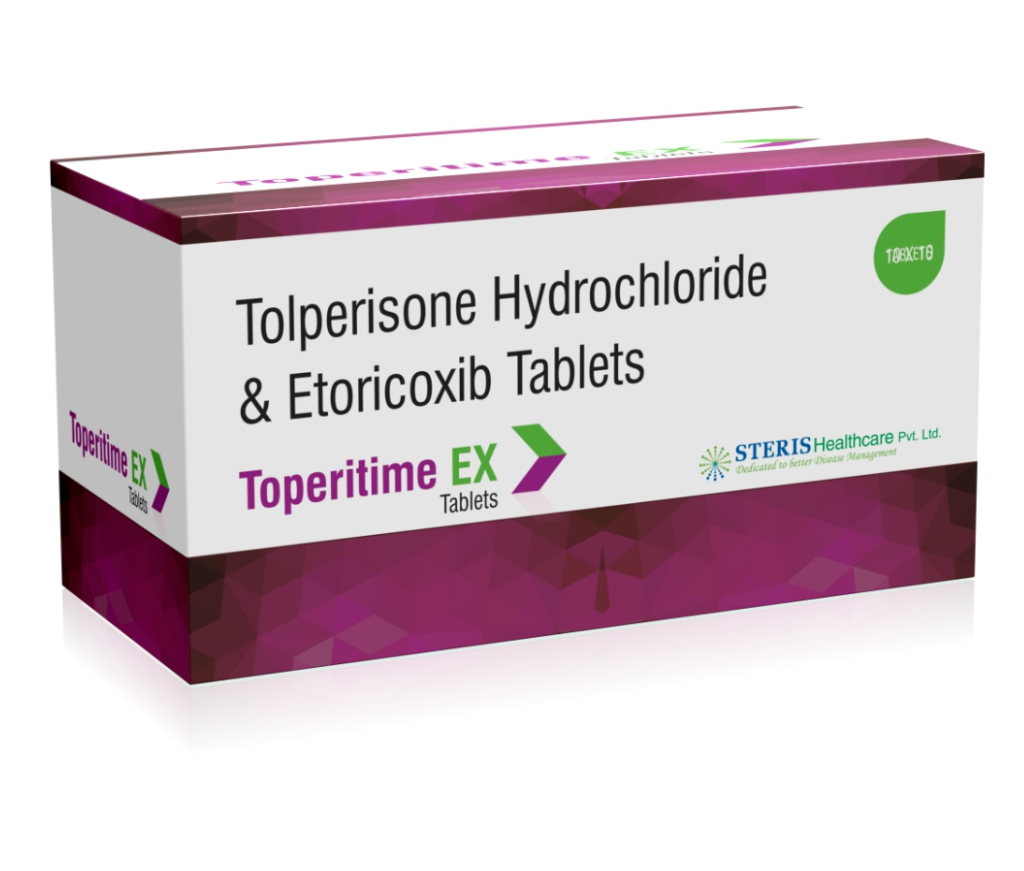
Tolperisone HCl (150 mg) & Etoricoxib (60 mg) Tablets contain two active ingredients that work differently to help manage selected musculoskeletal symptoms. This combination may be prescribed when muscle stiffness or spasms occur alongside pain and inflammation. Its suitability depends on the diagnosis, individual medical history, and the prescribing information for the specific product. Tolperisone hydrochloride is a centrally acting muscle relaxant used in certain settings to help relieve increased muscle tone or spasms. Its effectiveness and approved uses can vary by country and product. Etoricoxib belongs to the selective cyclooxygenase-2 (COX-2) inhibitor group of non-steroidal anti-inflammatory drugs (NSAIDs). It reduces the production of substances involved in pain and inflammation and may be prescribed for certain joint or musculoskeletal conditions. This combination requires careful medical supervision. Etoricoxib may increase blood pressure, cause fluid retention, affect kidney function, and increase cardiovascular risks in susceptible patients. It can also cause stomach-related adverse effects, including ulcers or gastrointestinal bleeding. Tolperisone may cause dizziness, weakness, or allergic reactions; serious hypersensitivity reactions require immediate medical attention. Before starting treatment, inform your doctor if you have heart disease, high blood pressure, kidney or liver problems, stomach ulcers, or a history of drug allergies. Tell your healthcare professional about all medicines and supplements you take, especially other NSAIDs, blood thinners, and medicines for blood pressure.
How to use
Take Tolperisone HCl 150 mg and Etoricoxib 60 mg tablets only as prescribed by your doctor or qualified healthcare professional. Check the product label to confirm the strength of both active ingredients before taking the tablet. Swallow the tablet with sufficient water and follow the product-specific instructions about whether to take it with or after food. Follow the prescribed dose, frequency, and duration. Do not take extra tablets if pain or muscle stiffness continues. Do not use this combination for longer than recommended without consulting your doctor. Avoid taking other NSAIDs, such as ibuprofen, diclofenac, or naproxen, unless your healthcare professional specifically advises you to do so. Inform your doctor about any history of cardiovascular disease, high blood pressure, kidney problems, liver disease, stomach ulcers, or medicine allergies. Tell your healthcare professional about all prescription medicines, over-the-counter products, and supplements you use. If you miss a dose, follow your prescription instructions or ask a pharmacist for advice. Do not double the next dose. Avoid driving if you experience dizziness, weakness, blurred vision, or any other effect that reduces alertness. Seek urgent medical assistance if you experience facial or throat swelling, difficulty breathing, chest pain, black stools, or signs of a serious allergic reaction. Store the tablets according to the packaging instructions and keep them out of the reach of children.