
Medicine information
Uses & overview
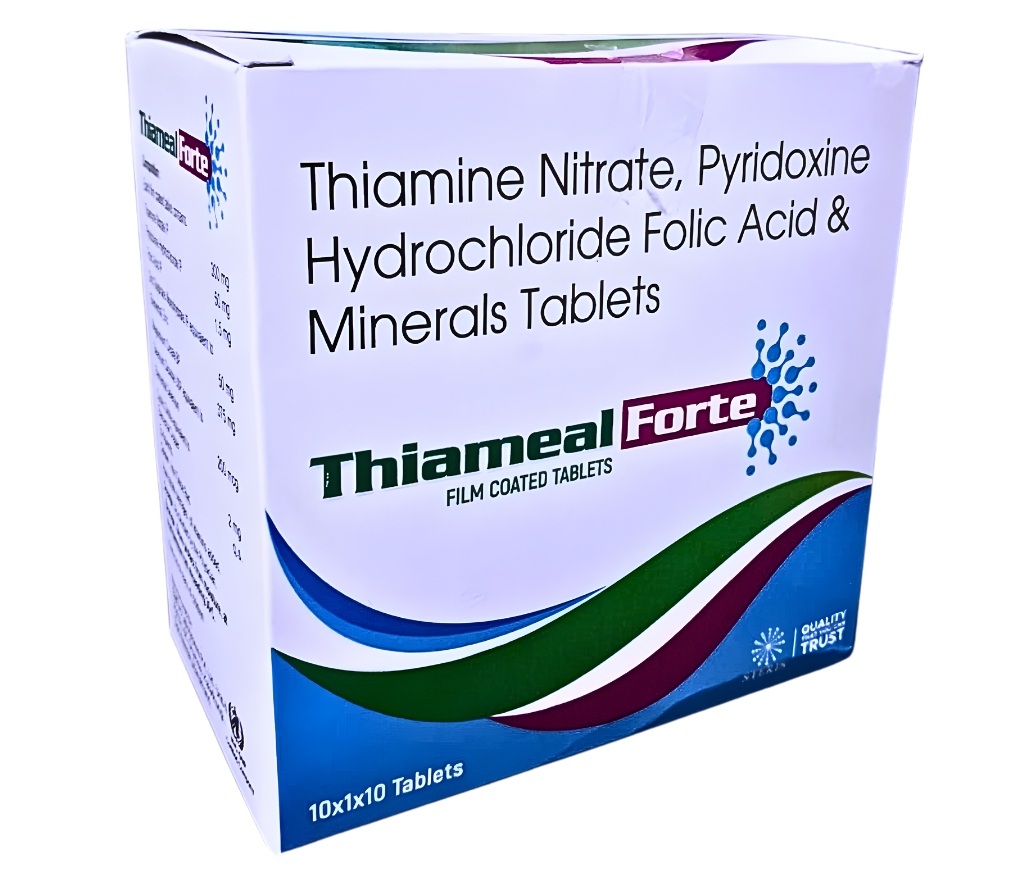
Thiamine Nitrate, Pyridoxine Hydrochloride, Folic Acid & Minerals Tablets are combination nutritional supplements designed to provide selected B vitamins, folate, and essential minerals that contribute to normal metabolic processes and overall nutritional health. The precise benefits depend on the strength of each vitamin, the types and quantities of minerals included, and the individual's nutritional requirements. Thiamine nitrate (vitamin B1) helps the body convert nutrients into energy and supports normal nerve function. Pyridoxine hydrochloride (vitamin B6) plays a role in protein metabolism, neurotransmitter production, and the formation of haemoglobin. Folic acid (vitamin B9) is necessary for DNA synthesis, normal cell division, and red blood cell formation. The additional minerals may support functions such as bone health, oxygen transport, enzyme activity, and electrolyte balance, depending on the specific ingredients. This supplement may be recommended when dietary intake is insufficient or when a healthcare professional identifies a need for nutritional supplementation. Folic acid is particularly important before conception and during early pregnancy, but the appropriate formulation and dosage should be selected according to individual needs.
How to use
Check the product label: Verify the amounts of thiamine, pyridoxine, folic acid, and each mineral per tablet. Different brands may contain different strengths and additional ingredients. Follow the recommended dose: Take only the amount stated on the packaging or prescribed by your healthcare professional. Do not increase the dose to obtain faster results. Take the tablet as directed: Swallow the tablet with water according to the product instructions. If the label or your pharmacist recommends taking it with food, follow that advice to help reduce stomach discomfort. Maintain a balanced diet: Include whole grains, vegetables, fruits, legumes, dairy products, and other nutritious foods to help meet your daily nutritional requirements. Avoid duplicate supplements: Check other multivitamins, B-complex products, prenatal supplements, and mineral preparations to prevent excessive intake of overlapping ingredients. Review medicine interactions: Tell your doctor or pharmacist about all medicines you use. Folic acid and certain B vitamins can interact with specific medicines, and some minerals can reduce the absorption of particular antibiotics or other treatments. Discuss medical conditions: Seek advice before use if you have kidney disease, liver disease, anaemia, a vitamin deficiency requiring treatment, or a condition affecting nutrient absorption. Use extra care during prolonged supplementation: Long-term excessive vitamin B6 intake can cause peripheral neuropathy, which may present as tingling, numbness, or burning sensations in the hands or feet. Monitor for adverse effects: Stop taking the supplement and seek medical advice if you develop a significant rash, swelling, persistent digestive symptoms, or other unexpected reactions. Store it correctly: Keep the tablets in their original packaging, away from heat and moisture, and out of children's reach. Follow the manufacturer's storage instructions and expiry date. Attend follow-up appointments: If the supplement is prescribed for a diagnosed deficiency, your healthcare professional may recommend follow-up assessments to evaluate your response and determine how long supplementation should continue.