
Medicine information
Uses & overview
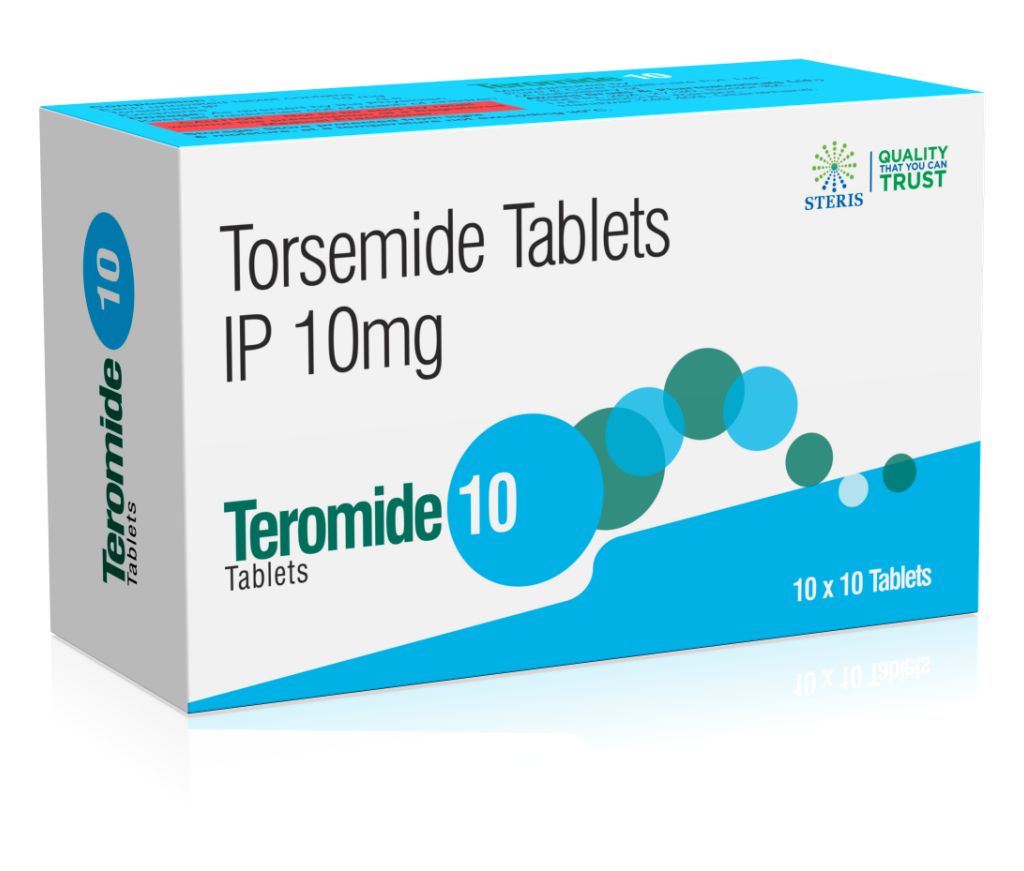
Torsemide 10 mg is an oral prescription medicine belonging to the loop diuretic class. It is commonly prescribed to help manage fluid retention, also known as oedema, associated with conditions such as heart failure and certain kidney or liver disorders. Depending on the approved product and the patient's condition, torsemide may also be prescribed to help manage high blood pressure. Torsemide works by acting on the kidneys to increase the removal of excess sodium, chloride, and water through urine. This helps reduce fluid accumulation in the body, which may cause swelling in the legs, ankles, or other tissues. In patients with fluid overload, treatment can help relieve symptoms such as swelling and breathlessness when these symptoms are related to excess fluid. The dosage of Torsemide 10 mg depends on the condition being treated, kidney function, and the patient's response to treatment. Possible side effects include frequent urination, dizziness, dehydration, low blood pressure, and changes in electrolyte levels, particularly potassium and sodium. Your doctor may recommend blood tests to monitor kidney function and electrolyte balance during treatment.
How to use
Follow your prescribed dose: Take the exact amount recommended by your healthcare professional. Do not increase or reduce the dose yourself, even if swelling improves. Take it at the recommended time: Torsemide is usually taken once daily when prescribed for common fluid-retention conditions. Taking it in the morning may help reduce nighttime urination. Follow your prescription if a different schedule is recommended. Take it with or without food: Torsemide tablets can generally be taken with or without food. Swallow the tablet with water and follow the instructions supplied with your particular product. If you miss a dose: Take the missed dose when you remember, unless it is nearly time for your next dose. If it is nearly time, skip the missed dose and continue your usual schedule. Do not take two doses together. Monitor your symptoms: Follow your doctor's advice about monitoring swelling, body weight, blood pressure, and urine output where appropriate. Attend recommended blood tests: Your doctor may monitor kidney function and electrolyte levels, including potassium and sodium, because torsemide can cause fluid loss and electrolyte imbalances. Maintain appropriate hydration: Follow your doctor's advice about fluid intake. Do not deliberately restrict fluids or drink excessive amounts without medical guidance, particularly if you have heart failure or kidney disease. Check other medicines: Inform your doctor about other diuretics, blood pressure medicines, lithium, anti-inflammatory painkillers such as ibuprofen, and any supplements you use. Do not stop treatment independently: Stopping prescribed treatment may allow fluid retention or high blood pressure to worsen. Recognise warning signs: Seek medical attention for severe dizziness, fainting, unusual muscle weakness, irregular heartbeat, or significantly reduced urine output.