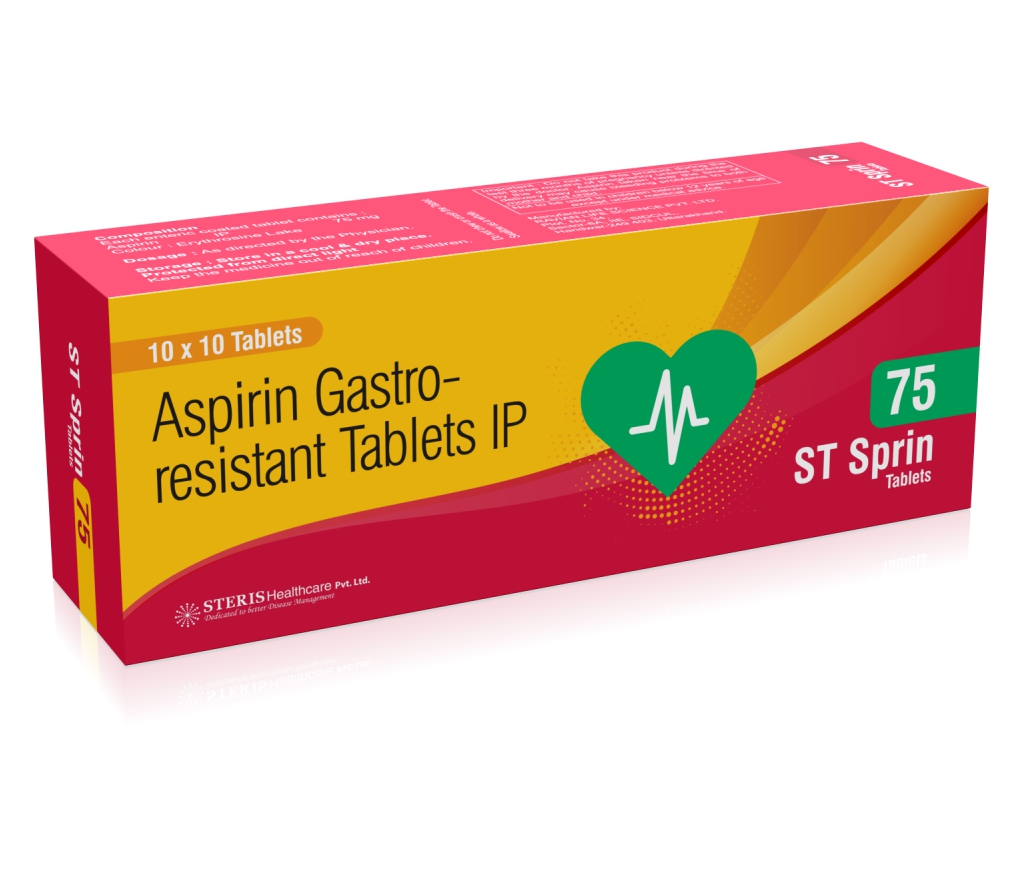

Medicine information
Uses & overview
Aspirin Gastro-Resistant 75 mg is an antiplatelet medicine containing acetylsalicylic acid. It is commonly prescribed to reduce the risk of blood clots in selected patients with cardiovascular conditions. Aspirin works by inhibiting platelet aggregation, making platelets less likely to stick together and form clots inside blood vessels. Depending on the patient's medical history and clinical assessment, low-dose aspirin may be recommended for secondary prevention after certain heart attacks or ischaemic strokes, or following particular cardiovascular procedures. The gastro-resistant formulation has a special coating designed to resist dissolving in the stomach and release the medicine in the intestine. This coating does not eliminate the risk of stomach ulcers or gastrointestinal bleeding. Aspirin Gastro-Resistant 75 mg should be used according to a healthcare professional's instructions, especially when taken alongside other medicines that affect blood clotting. Possible side effects include indigestion, stomach discomfort, bruising, and bleeding. People with a history of stomach ulcers, aspirin allergy, bleeding disorders, or significant kidney or liver problems should seek medical advice before using it. Aspirin may interact with anticoagulants, other antiplatelet medicines, and certain painkillers.
How to use
Follow the prescribed dose: Take the dose recommended by your doctor. A 75 mg tablet is commonly used once daily for certain antiplatelet indications, but your personal schedule may differ. Take it consistently: Try to take the medicine at the same time each day to maintain a regular routine. Swallow the tablet whole: Gastro-resistant tablets are designed to pass through the stomach before releasing the medicine. Swallow the tablet with water. Do not crush, chew, or break it unless the product leaflet or a healthcare professional specifically confirms that this is appropriate. Follow food instructions: Follow the instructions on your specific product leaflet regarding food. If the medicine causes stomach discomfort, ask your pharmacist or doctor how best to take it. If you miss a dose: Take the missed dose when you remember unless it is nearly time for your next dose. If it is nearly time, skip the missed dose and continue your regular schedule. Do not take two doses together to make up for a missed tablet. Do not stop treatment independently: If aspirin has been prescribed following a heart attack, stroke, or cardiovascular procedure, stopping it without medical advice may increase the risk of blood clots. Check other medicines: Tell your doctor or pharmacist about anticoagulants, other antiplatelet medicines, ibuprofen, naproxen, and supplements that may increase bleeding risk. Know when to seek help: Obtain urgent medical attention for black stools, vomiting blood, severe or persistent bleeding, or signs of a serious allergic reaction.