
Medicine information
Uses & overview
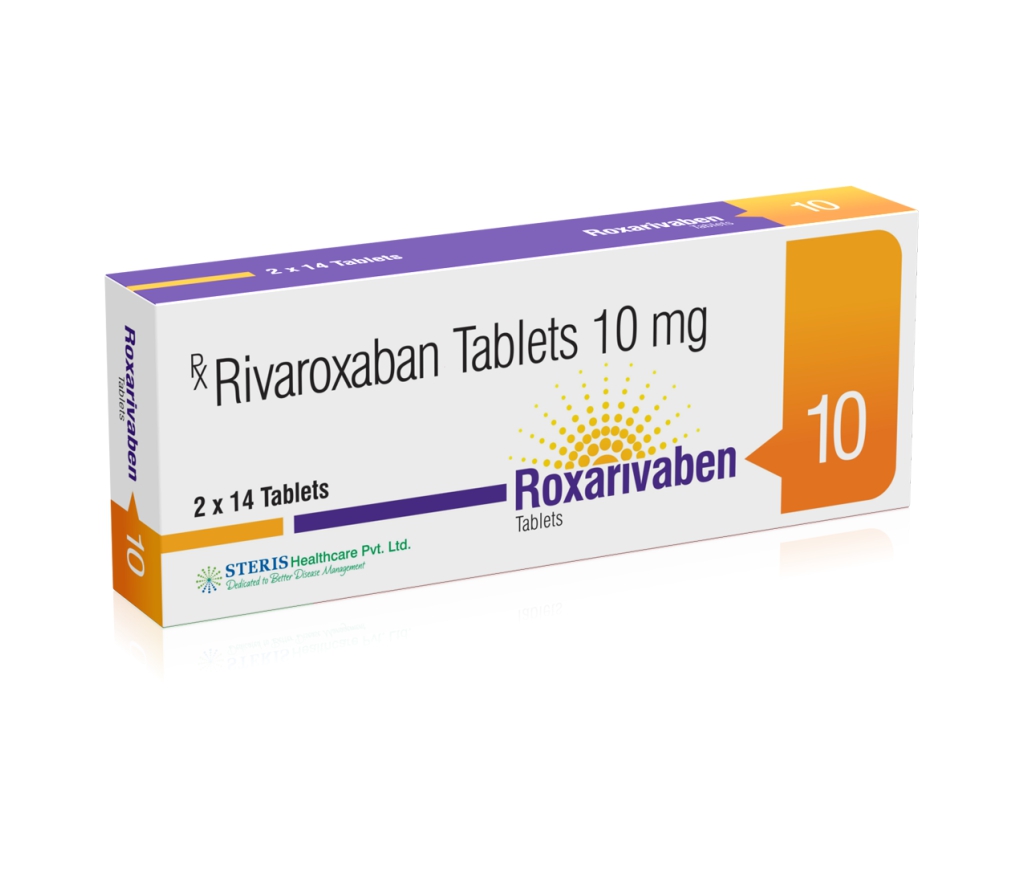
Rivaroxaban 10mg is an anticoagulant medicine prescribed to help prevent blood clots in adults for specific medical indications. It contains rivaroxaban as its active ingredient and belongs to the direct oral anticoagulant (DOAC) class. This medicine works by selectively inhibiting Factor Xa, an important component of the blood clotting process, thereby reducing the formation of harmful blood clots. Doctors may prescribe Rivaroxaban 10mg to prevent venous blood clots following certain hip or knee replacement surgeries and for other approved indications, depending on individual clinical circumstances and local prescribing guidelines. The appropriate dose and duration of treatment depend on the reason for therapy, kidney function, bleeding risk and overall health. Rivaroxaban can increase the risk of bleeding, so medical supervision is essential. Inform your doctor about other medicines, supplements, previous bleeding episodes, kidney problems or liver disease before starting treatment. Never change the dose or discontinue Rivaroxaban 10mg without consulting your healthcare professional.
How to use
Follow the prescribed dose: Take only the amount and frequency recommended by your doctor. The correct dosage depends on your medical condition and individual risk factors. Take the tablet orally: Swallow the tablet with water. Do not crush, split or alter the tablet unless your pharmacist or doctor confirms that doing so is appropriate for your specific product. Maintain a consistent schedule: Take your medicine at the prescribed time each day. A regular routine can help you avoid missed or extra doses. Follow food instructions: Rivaroxaban 10mg tablets can generally be taken with or without food. Follow the instructions supplied with your particular product. Handle missed doses carefully: If you forget a dose, follow the patient leaflet or contact your pharmacist or doctor for advice. Do not double the next dose unless specifically instructed by a healthcare professional. Tell your doctor about other medicines: Inform your healthcare provider about prescription medicines, over-the-counter painkillers, herbal products and supplements, as some combinations may increase bleeding risk or affect treatment. Watch for bleeding: Seek urgent medical attention for heavy or persistent bleeding, blood in your urine, black stools, vomiting blood or a severe unexplained headache. Do not stop treatment independently: Stopping an anticoagulant without medical guidance can increase the risk of blood clots. Consult your doctor before surgery, dental procedures or any change in treatment.