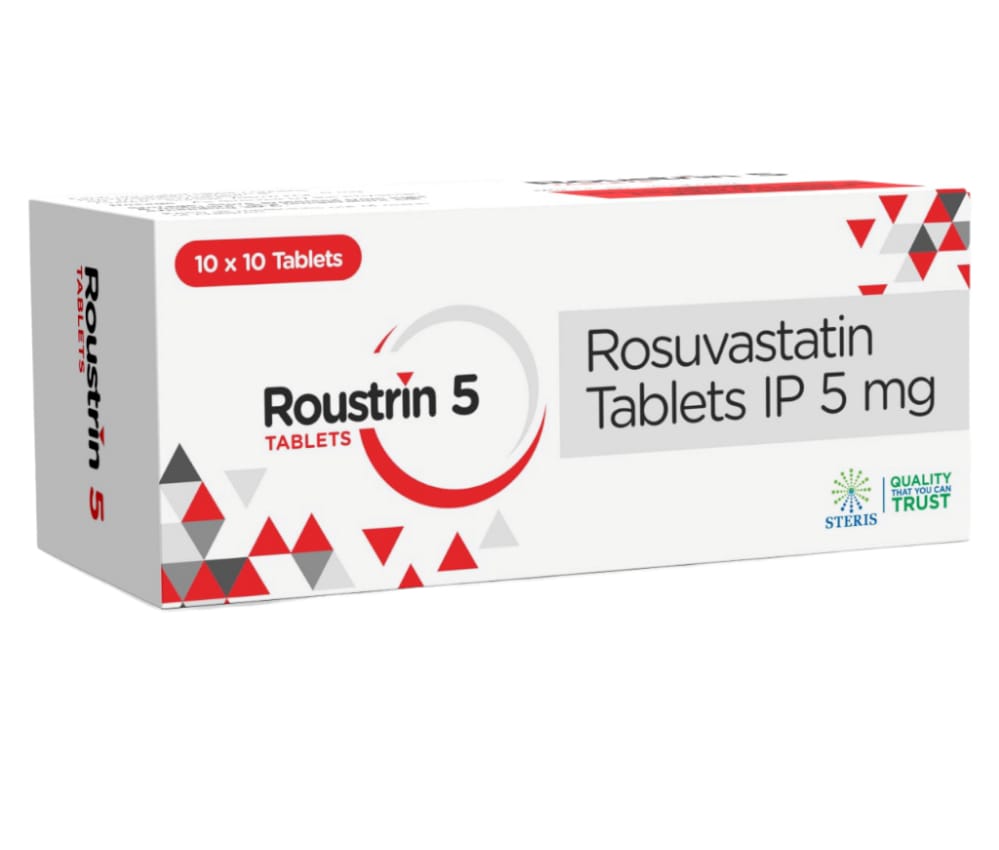

Medicine information
Uses & overview
Rosuvastatin is a prescription cholesterol-lowering medicine belonging to the statin class. It is commonly prescribed to manage high cholesterol, particularly elevated low-density lipoprotein (LDL), and certain types of abnormal blood lipid levels. It works by inhibiting an enzyme in the liver involved in cholesterol production, helping the body reduce LDL cholesterol and improve overall lipid levels. Healthcare professionals may prescribe Rosuvastatin to patients with high cholesterol, mixed dyslipidaemia, or specific cardiovascular risk factors. Depending on the patient's medical history and treatment goals, it may also be used to help reduce the risk of heart attack and stroke. Its effectiveness depends on the prescribed dose, individual health status, and adherence to recommended lifestyle changes. Rosuvastatin is generally used alongside a balanced diet, regular physical activity, weight management, and smoking cessation where applicable. Patients with kidney problems, liver disease, thyroid disorders, or a history of muscle-related conditions should inform their doctor before starting treatment. Certain medicines may interact with Rosuvastatin, so disclose all prescription medicines, supplements, and other treatments you use.
How to use
Follow the prescribed dosage: Take the dose recommended by your healthcare professional. The appropriate strength depends on your cholesterol levels, medical history, treatment goals, and other health conditions. Take it at a consistent time: Rosuvastatin can generally be taken once daily, with or without food. Follow your doctor's instructions and maintain a regular schedule. Swallow the tablet properly: Take the tablet with water. Do not crush, split, or chew it unless your pharmacist confirms that this is appropriate for your particular product. Handle missed doses carefully: If you miss a dose, follow the medicine leaflet or ask your pharmacist for advice. Do not take a double dose to compensate. Maintain a healthy lifestyle: Follow a cholesterol-lowering diet, exercise regularly, maintain a healthy weight, and avoid smoking to support your treatment plan. Attend follow-up appointments: Your doctor may recommend regular cholesterol tests and liver function assessments to evaluate your response to treatment. Report muscle symptoms: Contact your doctor promptly if you experience unexplained muscle pain, tenderness, or weakness. Severe muscle symptoms, especially with fever or dark urine, require urgent medical assessment. Inform your doctor about other medicines: Report all medicines and supplements you take, particularly ciclosporin, certain antiviral medicines, and other cholesterol-lowering treatments, because interactions may occur.