

Medicine information
Uses & overview
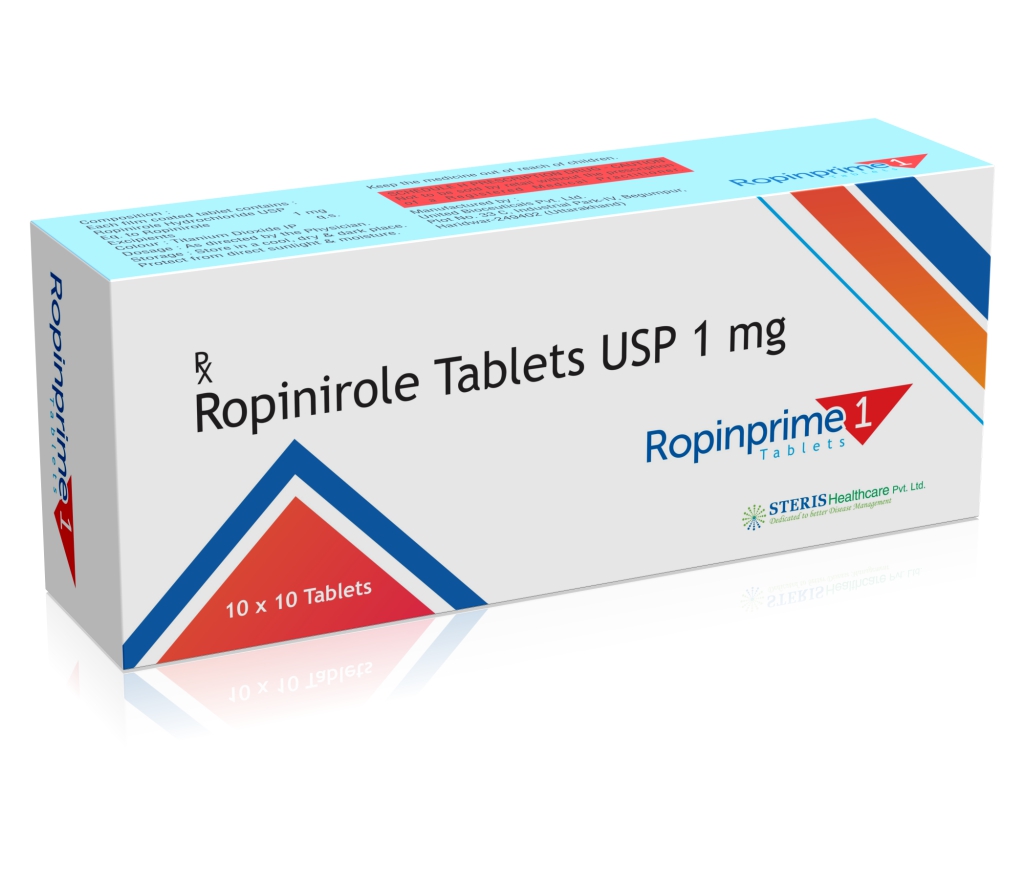
Ropinirole 1 mg is an oral prescription medicine that belongs to a class of medicines called dopamine agonists. It works by stimulating dopamine receptors in the brain. Dopamine is a chemical messenger that plays an important role in controlling movement. Ropinirole may be prescribed to manage symptoms of Parkinson’s disease and, for suitable patients, restless legs syndrome (RLS). Uses and Potential Benefits Parkinson’s disease may cause tremors, muscle stiffness, slowed movement, and difficulty with coordination. Ropinirole 1 mg may help improve certain movement-related symptoms when prescribed by a qualified healthcare professional. For restless legs syndrome, it may reduce uncomfortable sensations and the urge to move the legs, particularly during periods of rest. The suitability of treatment depends on the diagnosis, symptom severity, and the patient’s medical history. The 1 mg strength is not appropriate for every patient. Doctors generally individualise the dose according to the condition being treated, treatment response, and tolerance. Do not change your dose without medical guidance. Important Safety Information Possible side effects of Ropinirole 1 mg include nausea, dizziness, sleepiness, vomiting, and low blood pressure when standing. Some people may experience hallucinations, sudden sleep episodes, or changes in impulse control, including unusual gambling, shopping, or eating behaviours. Contact your doctor if these symptoms develop. Avoid driving if you feel sleepy or dizzy, and never stop treatment suddenly without professional advice. Inform your doctor about kidney or liver problems, low blood pressure, mental health conditions, and all medicines or supplements you take. These details help your healthcare professional assess interactions, treatment suitability, and monitoring needs.
How to use
Follow your prescription: Take Ropinirole 1 mg exactly as directed by your doctor. The dosage and timing depend on whether it is prescribed for Parkinson’s disease or restless legs syndrome. Check the formulation: Confirm whether your medicine is an immediate-release or prolonged-release tablet. These formulations have different instructions and should not be substituted without medical advice. Follow the recommended schedule: Take the medicine at the prescribed time. Instructions regarding meals may differ by formulation and indication, so check your product leaflet or ask your pharmacist. Swallow as directed: Take the tablet with water. Do not crush, chew, or split it unless the product instructions or your healthcare professional confirm this is appropriate. Do not adjust the dose yourself: Your doctor may gradually adjust the dose based on your response and tolerance. Do not increase the dose or discontinue treatment suddenly without medical guidance. Manage missed doses safely: Follow the patient leaflet or ask your pharmacist what to do if you miss a dose. Never take a double dose to make up for one you missed. Watch for sleepiness: Ropinirole may cause drowsiness or sudden sleep episodes. Avoid driving or operating machinery if affected and inform your doctor about unexpected sleepiness. Attend follow-up appointments: Regular reviews allow your doctor to assess symptom improvement, side effects, and whether your current dose remains suitable. Store correctly: Keep Ropinirole 1 mg in its original packaging, away from excess heat and moisture, and out of children’s reach. Follow the storage instructions on the label.