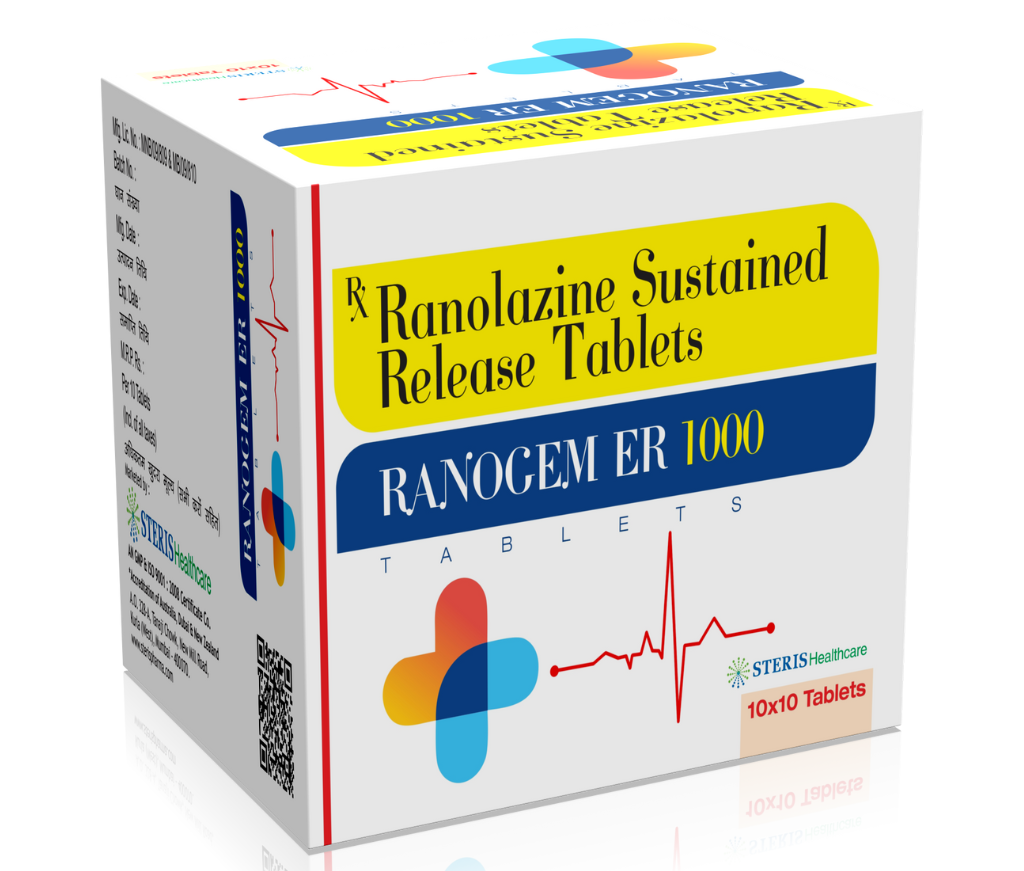

Medicine information
Uses & overview
Ranolazine is a prescription medicine primarily used to treat chronic angina, which causes recurring chest discomfort when the heart muscle does not receive enough oxygen-rich blood. It is an antianginal medicine that may help reduce the frequency of angina episodes and improve a patient's ability to perform everyday physical activities. Unlike some other medicines used for angina, Ranolazine works mainly by influencing sodium currents in heart muscle cells, helping improve the balance between oxygen supply and demand. It may be prescribed alone or alongside other antianginal treatments, depending on the patient's symptoms, medical history, and response to existing therapy. Ranolazine is not intended to treat a sudden angina attack or replace emergency treatment for new, severe, or worsening chest pain. Patients should follow their doctor's treatment plan and continue recommended lifestyle measures, including a heart-healthy diet, appropriate physical activity, and smoking cessation where applicable.
How to use
Follow the prescribed dosage: Your doctor will select the appropriate dose based on your symptoms, medical history, and prescribed formulation. Do not increase or decrease the dose yourself. Take it regularly: Extended-release Ranolazine is commonly prescribed twice daily. Follow your prescription and take each dose at the recommended time. Take with or without food: Ranolazine extended-release tablets can generally be taken with or without food, according to the product instructions. Swallow the tablet whole: Do not crush, break, or chew extended-release tablets because this may affect how the medicine is released into your body. Manage missed doses carefully: If you miss a dose, skip it and take the next dose at the scheduled time. Do not take extra tablets to make up for a missed dose. Avoid self-medication: Tell your doctor about all medicines and supplements you take, particularly certain antibiotics, antifungals, and medicines that may affect heart rhythm. Report side effects: Dizziness, nausea, constipation, and headache may occur. Contact your doctor if symptoms persist or become troublesome. Discuss kidney and liver conditions: Inform your healthcare professional if you have kidney disease, liver problems, or a history of abnormal heart rhythms. Understand its limitations: Ranolazine is used for ongoing angina management and is not a rescue medicine for sudden chest pain. Seek emergency medical care for new, severe, or worsening chest pain. Attend follow-up appointments: Your doctor may review your symptoms, other medicines, kidney function, and heart rhythm when clinically appropriate.