
Medicine information
Uses & overview
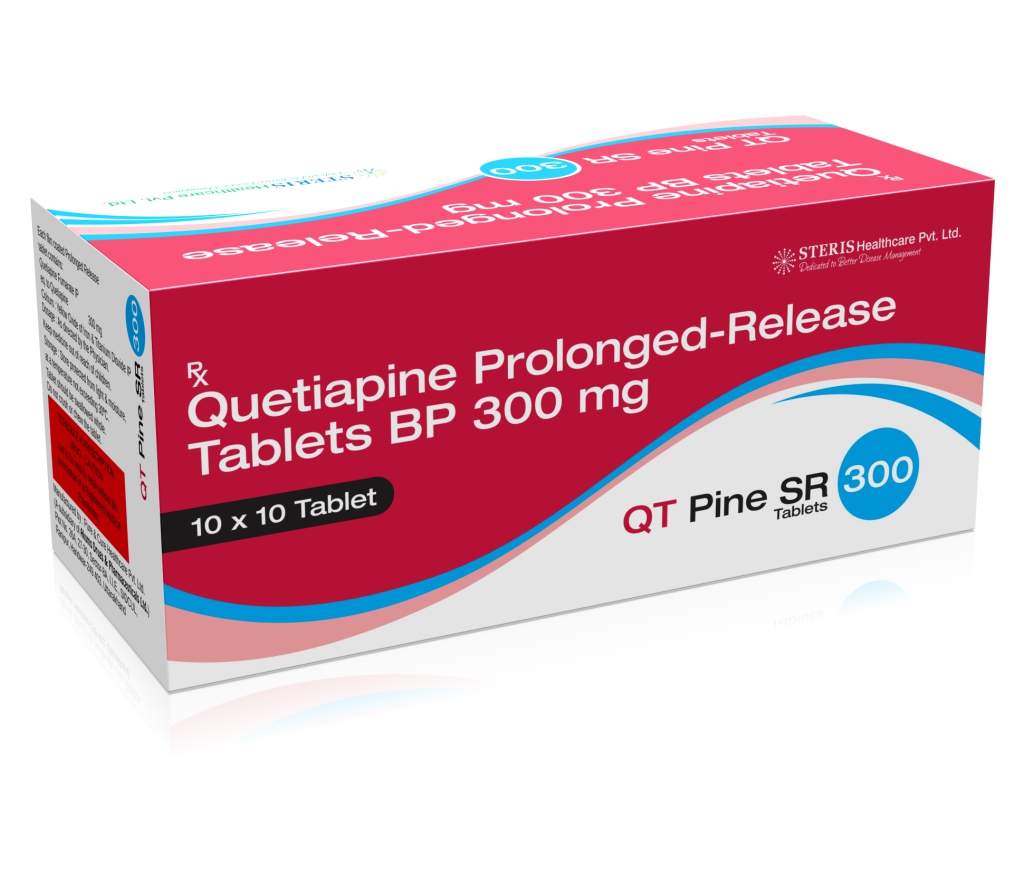
Quetiapine Prolonged Release 300 mg is a prescription medicine belonging to the atypical antipsychotic class. Its prolonged-release formulation gradually releases quetiapine over time according to the product’s design. Quetiapine acts on receptors for chemical messengers in the brain, particularly dopamine and serotonin, and may be prescribed for conditions such as schizophrenia and bipolar disorder. Other approved uses depend on the product label and the individual patient’s clinical assessment. The appropriate dose of Quetiapine Prolonged Release 300 mg depends on the diagnosis, treatment response, age, medical history, and other medicines being taken. A 300 mg tablet may be prescribed as part of certain treatment regimens, but it is not suitable for every patient or necessarily appropriate when starting treatment. Prolonged-release tablets have specific administration instructions and should not be substituted with immediate-release quetiapine without medical advice. Common side effects may include sleepiness, dizziness, dry mouth, constipation, and changes in appetite or body weight. Quetiapine may also affect blood pressure, blood sugar, and cholesterol, so a healthcare professional may recommend regular monitoring. Inform your doctor if you have diabetes, liver disease, heart problems, or a history of seizures. Tell your doctor about all medicines and supplements you take, especially sedatives and medicines that may affect heart rhythm. Avoid alcohol because it can increase drowsiness and dizziness. Do not stop treatment suddenly without consulting your doctor.
How to use
Follow your prescription: Take Quetiapine Prolonged Release 300 mg exactly as directed by your doctor. The dose and schedule depend on your diagnosis and individual response. Verify the formulation: Confirm that you have the prolonged-release version. Do not replace it with immediate-release quetiapine unless your doctor specifically approves the change. Follow food instructions: Take the medicine at the prescribed time and follow the package leaflet regarding meals. Some prolonged-release products require administration on an empty stomach. Swallow the tablet whole: Take it with water. Do not crush, chew, or split the prolonged-release tablet, as this may affect how the medicine is released. Manage missed doses safely: Follow the patient leaflet or ask your pharmacist what to do if you miss a dose. Do not take an extra dose to compensate. Ask before restarting: If you have missed several days of treatment, contact your doctor before restarting because your dose may need reassessment. Discuss other medicines: Inform your doctor about all prescription medicines, non-prescription products, and supplements, particularly sedatives and medicines affecting heart rhythm. Attend follow-up appointments: Your doctor may monitor symptoms, weight, blood pressure, blood sugar, and cholesterol during treatment. Use caution with daily activities: Avoid driving or operating machinery if you experience sleepiness, dizziness, or reduced alertness. Do not stop abruptly: Speak to your doctor before discontinuing treatment because sudden withdrawal may cause sleep disturbances, nausea, or a return of symptoms.