
Medicine information
Uses & overview
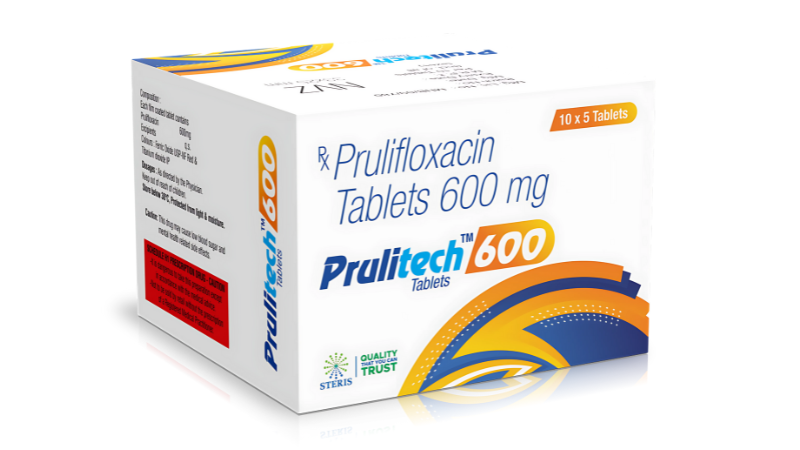
Prulifloxacin 600 mg is a fluoroquinolone antibiotic that acts against susceptible bacteria by inhibiting enzymes involved in bacterial DNA replication. Depending on local approvals and clinical guidelines, it may be prescribed for certain bacterial infections, including selected urinary tract or other susceptible bacterial infections. The exact indication depends on the patient's diagnosis, bacterial susceptibility, medical history, and the product's approved prescribing information. Prulifloxacin is not effective against viral infections such as colds or influenza. Unnecessary or inappropriate antibiotic use can contribute to antimicrobial resistance and increase the risk of adverse effects. Fluoroquinolones may also cause serious side effects involving tendons, nerves, muscles, or the central nervous system. Your doctor should assess the benefits and risks before prescribing this medicine. Take Prulifloxacin 600 mg only as prescribed. Inform your doctor about existing health conditions, allergies, pregnancy, breastfeeding, and other medicines you take. Seek medical advice promptly if you develop severe or unusual symptoms during treatment.
How to use
Follow your prescription: Take Prulifloxacin 600 mg only when prescribed by a qualified healthcare professional for a susceptible bacterial infection. Follow the recommended dose: Your doctor will determine the dosage and treatment duration according to the infection, kidney function, and applicable prescribing instructions. Take it correctly: Swallow the tablet with water according to the product leaflet and your doctor's directions. Do not crush or split it unless your pharmacist confirms this is appropriate. Food instructions: Follow the specific product's instructions regarding meals, as food recommendations can depend on the formulation. Complete treatment as directed: Do not stop, extend, or change your antibiotic course without consulting your doctor. Missed dose: Follow the leaflet or ask your pharmacist what to do. Never double your dose to compensate for a missed tablet. Check interactions: Tell your doctor about all medicines and supplements, especially antacids, mineral supplements, and other medicines that may affect heart rhythm. Recognize warning signs: Stop taking the medicine and seek prompt medical advice if you develop tendon pain, numbness, tingling, muscle weakness, or severe allergic symptoms. Prevent antibiotic resistance: Never share antibiotics or use leftover tablets to treat another illness.
Storage
Store in cool and dry place