
Medicine information
Uses & overview
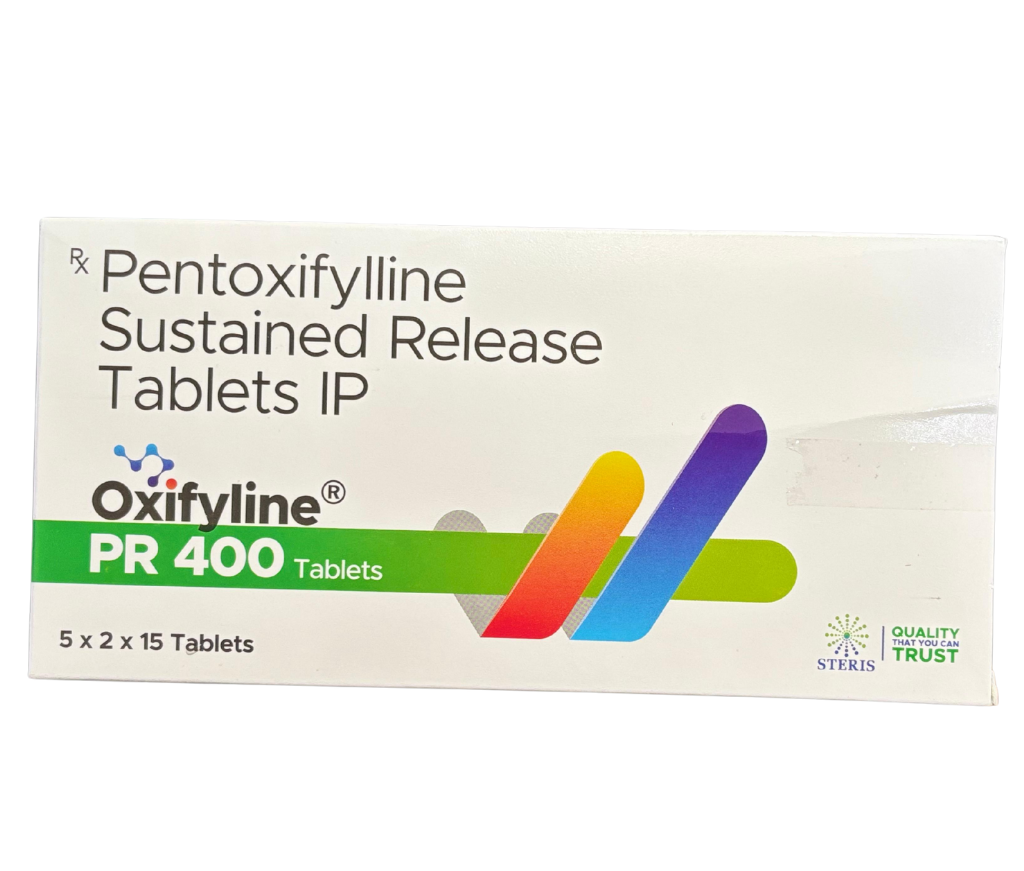
Pentoxifylline 400 mg is a prescription medicine used to help manage symptoms of poor blood circulation, particularly intermittent claudication caused by peripheral arterial disease. This condition occurs when narrowed arteries reduce blood flow to the legs, potentially causing pain, cramps, or tiredness during walking. Pentoxifylline improves the flow properties of blood by reducing its viscosity and improving red blood cell flexibility. These effects may help blood circulate more easily through small blood vessels and may improve walking ability in some patients. However, the medicine does not remove arterial blockages or replace other treatments required to manage peripheral arterial disease. Doctors may prescribe Pentoxifylline 400 mg as part of a comprehensive treatment plan that can include supervised exercise, smoking cessation, dietary improvements, and management of cholesterol, diabetes, and blood pressure. Results vary between individuals, and symptom improvement may take several weeks.
How to use
1. Follow your prescription: Take Pentoxifylline 400 mg exactly as directed by your doctor. The prescribed dose and duration depend on your symptoms, medical history, kidney function, and the specific formulation supplied. 2. Check the dosage form: Many 400 mg products are extended-release tablets designed to release medicine gradually. Check the package leaflet and follow the instructions for your particular product. 3. Take it with meals: Extended-release pentoxifylline is generally taken with meals to improve tolerability. Follow the directions on your prescription and product leaflet. 4. Swallow the tablet whole: Swallow extended-release tablets with water. Do not crush, chew, or break them, because altering the tablet may affect how the medicine is released. 5. Maintain a consistent schedule: Take each dose at the recommended time. If your prescription requires multiple daily doses, space them as directed by your healthcare professional. 6. Handle missed doses carefully: If you forget a dose, follow your patient leaflet or ask your pharmacist what to do. Do not take extra tablets or double the next dose to make up for a missed dose. 7. Discuss other medicines: Inform your doctor about anticoagulants, antiplatelet medicines, blood pressure medicines, diabetes treatments, and supplements. Pentoxifylline may interact with certain medicines and can increase bleeding concerns in some patients. 8. Monitor your symptoms: Record changes in leg pain and walking ability. Contact your doctor if symptoms worsen or fail to improve as expected. 9. Report side effects: Nausea, indigestion, dizziness, or headache may occur. Seek prompt medical attention for unusual bleeding, black stools, vomiting blood, chest pain, or a rapid or irregular heartbeat. 10. Attend follow-up appointments: Your doctor may review your response to treatment and assess kidney function, liver function, blood pressure, and bleeding risk when appropriate. 11. Continue lifestyle measures: Follow medical advice about exercise, smoking cessation, and cardiovascular risk management. Do not stop prescribed treatment or change the dose without professional guidance.