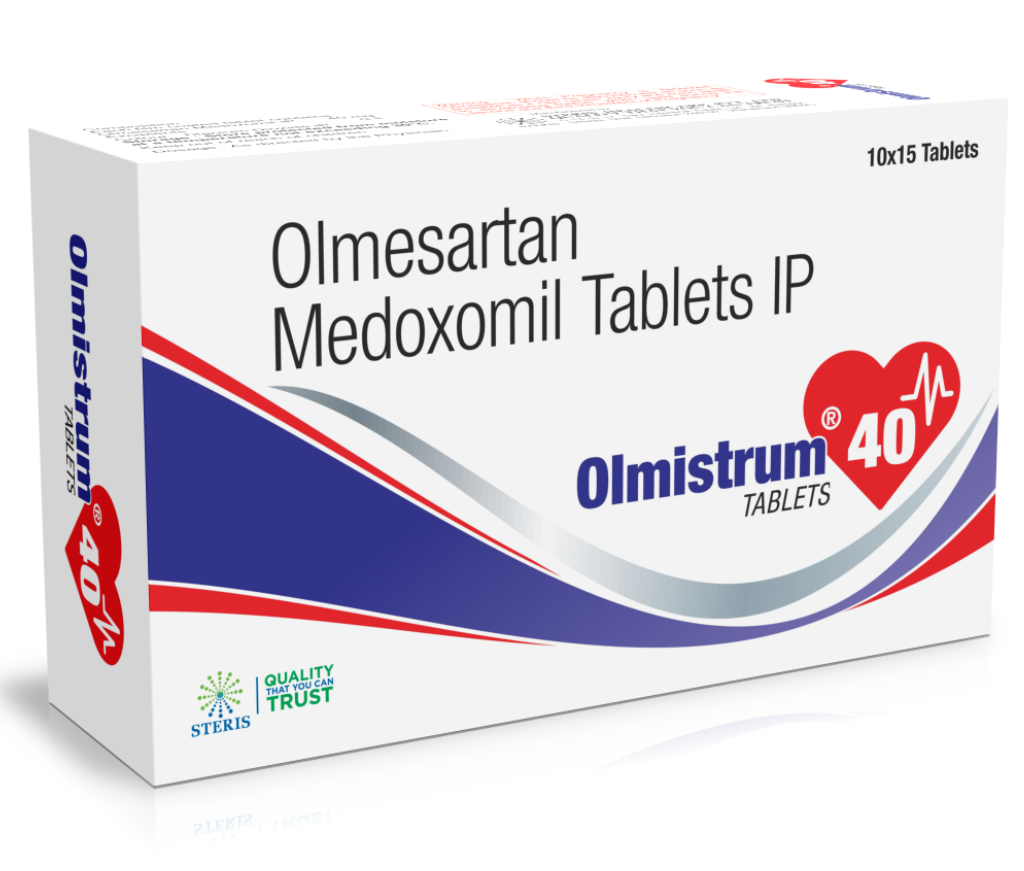

Medicine information
Uses & overview
Olmesartan is a prescription medication primarily used to manage high blood pressure, also known as hypertension. It belongs to the angiotensin II receptor blocker (ARB) class of medicines. Olmesartan works by blocking the action of angiotensin II, a substance that causes blood vessels to narrow. This helps blood vessels relax, improves blood flow, and lowers blood pressure. Healthcare professionals may prescribe Olmesartan to adults with hypertension when medication is needed to achieve and maintain appropriate blood pressure levels. By helping control high blood pressure, it can reduce the risk of serious cardiovascular complications, including stroke and certain heart-related problems. Olmesartan may be prescribed alone or combined with other blood pressure medicines, depending on the patient's condition and treatment response. For best results, Olmesartan should be used as directed by a doctor alongside lifestyle measures such as reducing excess salt intake, maintaining a healthy weight, exercising regularly, and following a balanced diet.
How to use
Follow the prescribed dosage: Take the strength and dose recommended by your healthcare professional. The dose depends on your blood pressure, age, medical history, and response to treatment. Take it regularly: Olmesartan is commonly taken once daily. Try to take it at the same time each day to maintain a consistent routine. Take with or without food: Olmesartan tablets can generally be taken with or without food. Follow the directions provided with your specific product. Swallow the tablet properly: Take the tablet with water. Do not crush or split it unless your pharmacist confirms that this is appropriate for your formulation. Manage missed doses carefully: If you forget a dose, take your next dose according to your prescribed schedule. Do not take a double dose to compensate for a missed dose. Monitor your blood pressure: Check your blood pressure as recommended by your doctor. Report persistent dizziness, fainting, or unusually low readings. Attend follow-up appointments: Your doctor may monitor kidney function and potassium levels, particularly after starting treatment or adjusting the dose. Inform your doctor about other medicines: Report potassium supplements, potassium-containing salt substitutes, diuretics, NSAIDs, and other blood pressure medicines to help prevent interactions.
Storage
Store in cool and dry place