
Medicine information
Uses & overview
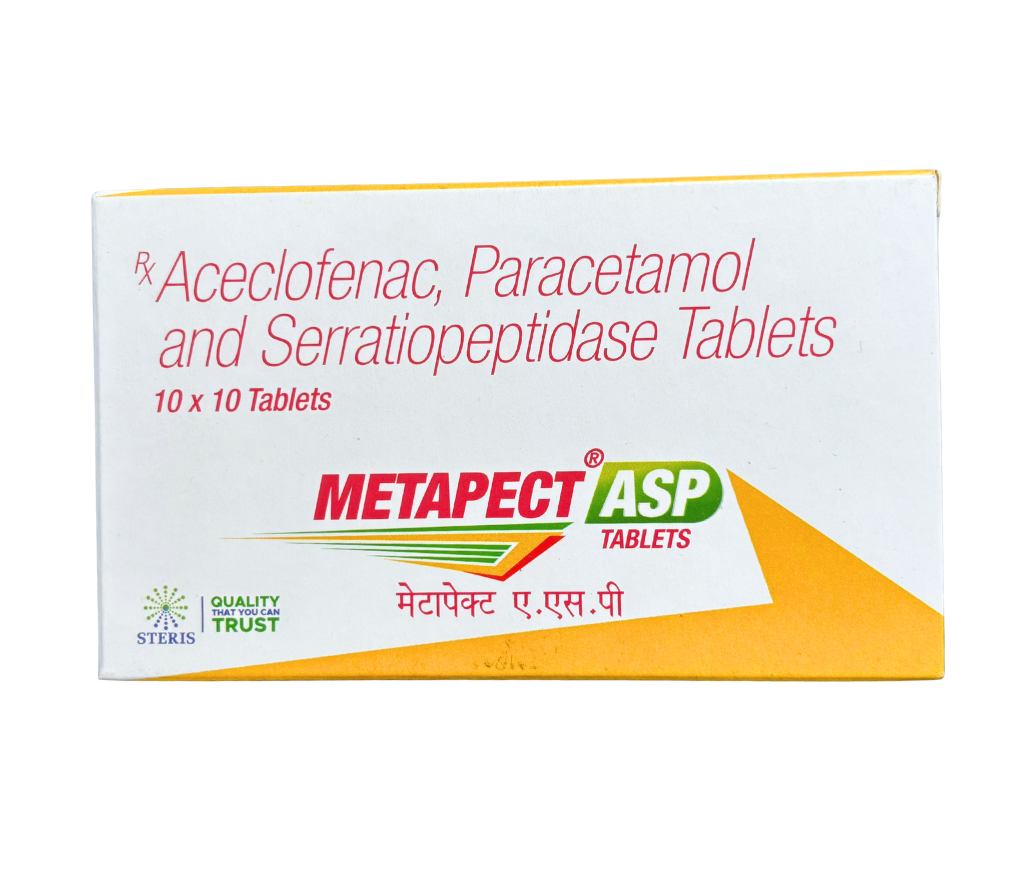
Aceclofenac 100 mg, Paracetamol 325 mg, and Serratiopeptidase 15 mg is a combination medicine used under medical supervision to help manage pain, inflammation, and swelling associated with selected musculoskeletal conditions. It may be prescribed for certain cases of joint pain, muscle pain, sprains, strains, or post-injury discomfort, depending on the patient's diagnosis and medical history. Aceclofenac belongs to the non-steroidal anti-inflammatory drug (NSAID) class and helps reduce pain and inflammation. Paracetamol provides additional pain relief and can reduce fever. Serratiopeptidase is an enzyme included in some combination products for its proposed role in managing swelling; the strength of evidence for its additional clinical benefit varies by condition. This medicine is not suitable for everyone. Aceclofenac may increase the risk of stomach ulcers, gastrointestinal bleeding, kidney problems, and cardiovascular complications. Inform your doctor about existing medical conditions, allergies, pregnancy, breastfeeding, and other medicines before starting treatment. Use the combination only for the prescribed duration and never exceed the recommended dose.
How to use
Follow your prescription: Take Aceclofenac 100 mg + Paracetamol 325 mg + Serratiopeptidase 15 mg only as directed by your doctor. Follow the prescribed dose: The correct dosage and duration depend on your condition, age, medical history, and the specific product instructions. Take with food if advised: Aceclofenac may irritate the stomach. Taking the tablet with or after food may help reduce stomach discomfort, but follow your product leaflet. Swallow with water: Take the tablet with water. Do not crush, chew, or split it unless your pharmacist confirms that doing so is appropriate. Avoid duplicate ingredients: Do not combine this medicine with other paracetamol-containing products or other NSAIDs, such as ibuprofen or diclofenac, unless your doctor advises it. Do not exceed the dose: Taking extra tablets may increase the risk of liver damage, stomach bleeding, and kidney complications. Check other medicines: Inform your doctor about blood thinners, blood pressure medicines, other painkillers, and supplements. Monitor side effects: Seek medical advice for persistent stomach pain, black stools, vomiting blood, reduced urination, or yellowing of the skin. Avoid prolonged self-treatment: Do not continue taking the medicine beyond the prescribed period without medical review. Store safely: Keep the medicine in its original packaging according to the label and out of children's reach.