
Medicine information
Uses & overview
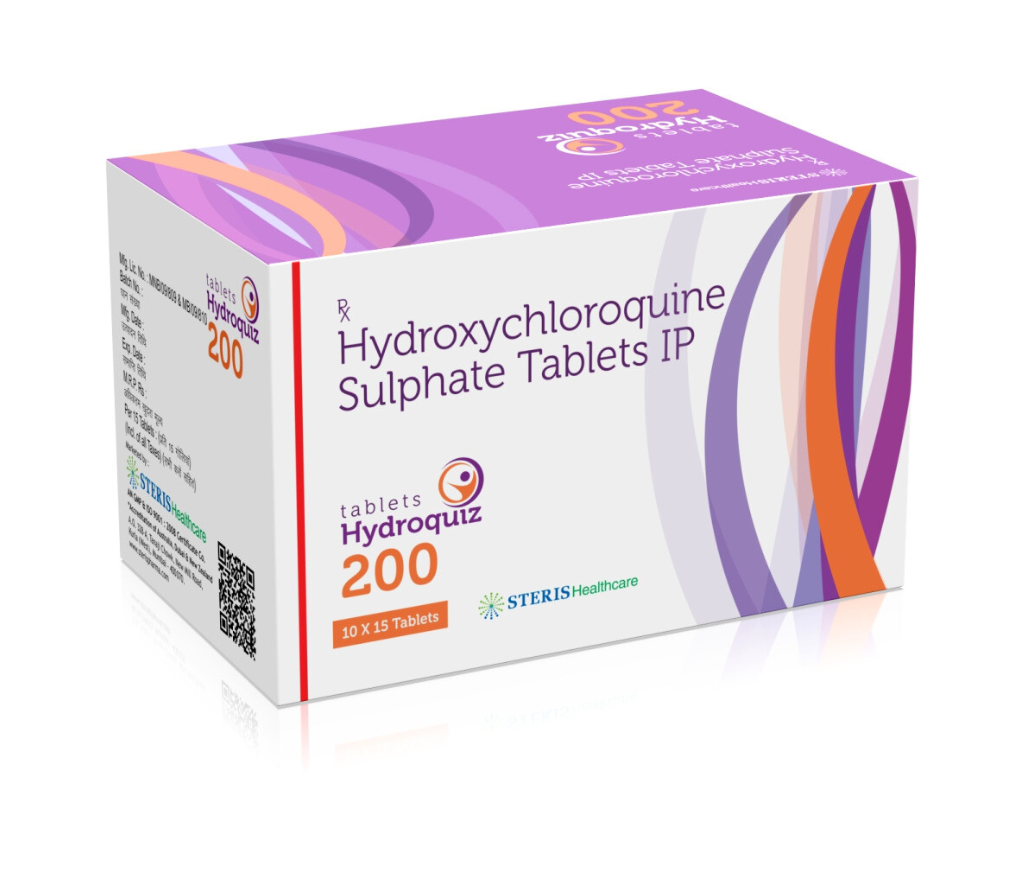
Hydroxychloroquine 200 mg is a prescription medicine used for selected medical conditions, including certain forms of malaria, rheumatoid arthritis, and systemic lupus erythematosus. It belongs to the antimalarial drug group and is also classified as a disease-modifying antirheumatic medicine because it can help control inflammation and disease activity in certain autoimmune conditions. The medicine works through different mechanisms depending on the condition being treated. In malaria, it acts against susceptible parasites. In autoimmune disorders, it modifies immune-system activity and may help reduce symptoms such as joint pain, stiffness, and inflammation. Its effectiveness depends on the diagnosis, individual response, and appropriate medical supervision. Hydroxychloroquine is not suitable for every type of malaria, and resistance patterns must be considered when selecting treatment. Hydroxychloroquine may cause serious adverse effects, including heart rhythm disturbances and damage to the retina with prolonged use. Your doctor may recommend eye examinations and other monitoring based on your dose, duration of treatment, and individual risk factors. Inform your healthcare professional about heart conditions, kidney or liver disease, eye problems, pregnancy, breastfeeding, and other medicines you take.
How to use
Use only with a prescription: Take Hydroxychloroquine 200 mg only under the supervision of a qualified healthcare professional. Follow the prescribed dose: Dosage varies significantly depending on whether the medicine is being used for malaria or an autoimmune condition. Take with food: Taking the tablet with a meal or glass of milk may help reduce stomach discomfort. Follow your product instructions. Swallow the tablet: Take it with water and follow the administration instructions provided by your pharmacist. Maintain the schedule: Take each dose at the recommended time. Do not take extra tablets to compensate for a missed dose. Complete the prescribed regimen: For malaria, follow the complete prescribed treatment schedule. For autoimmune conditions, symptom improvement may take several weeks or longer. Attend eye examinations: Long-term treatment may require retinal screening to detect potential eye toxicity early. Report other medicines: Tell your doctor about heart medicines, antacids, diabetes medicines, and all other prescription or nonprescription products you use. Monitor for adverse effects: Seek prompt medical care for vision changes, fainting, palpitations, severe muscle weakness, or an allergic reaction. Store safely: Keep the tablets in their original packaging, follow storage instructions, and keep them out of children's reach.