
Medicine information
Uses & overview
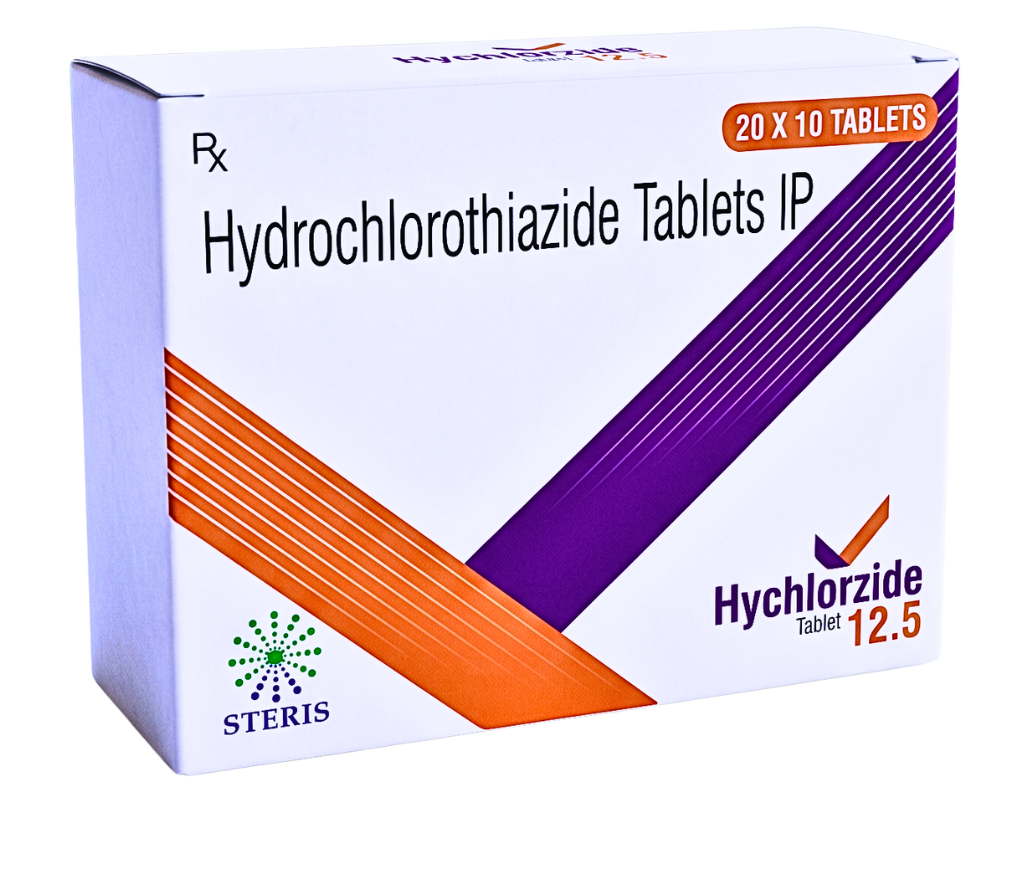
Hydrochlorothiazide 12.5 mg is an oral prescription medicine used to manage high blood pressure and certain types of fluid retention (edema). It belongs to the thiazide diuretic class, often referred to as water tablets. The medicine works by helping the kidneys remove excess sodium and water through urine, which can lower blood pressure and reduce fluid accumulation in the body. Doctors may prescribe Hydrochlorothiazide 12.5 mg for hypertension and, in selected cases, swelling associated with conditions affecting the heart, kidneys, or liver. Controlling high blood pressure can help reduce the long-term risk of complications such as stroke and heart disease. The appropriate dose depends on the patient's diagnosis, blood pressure readings, kidney function, and response to treatment.
How to use
Follow the prescribed dosage: Take only the dose recommended by your healthcare professional. Do not increase or reduce the dose yourself, even if your blood pressure improves. Take it at the recommended time: Hydrochlorothiazide is commonly taken in the morning because it increases urination. Follow your prescription if your doctor recommends a different schedule. Swallow the tablet with water: Follow the instructions on the medicine packaging. Ask your pharmacist if you have difficulty swallowing the tablet. Follow fluid intake advice: Drink fluids according to your doctor's recommendations. Do not deliberately restrict or increase water intake without medical advice, particularly if you have heart or kidney disease. Maintain a balanced diet: Follow dietary recommendations for managing blood pressure and salt intake. Do not start potassium supplements or salt substitutes containing potassium without consulting your doctor. Manage missed doses carefully: Take a missed dose when remembered unless it is nearly time for the next dose. Skip it when appropriate and never take a double dose. Monitor your blood pressure: Check your readings as recommended and attend follow-up appointments to assess treatment effectiveness. Attend blood tests: Your doctor may monitor kidney function and electrolyte levels, including sodium and potassium. Recognize side effects: Dizziness, dehydration, muscle cramps, or unusual weakness may occur. Contact your doctor if symptoms persist or worsen. Check for medicine interactions: Tell your healthcare professional about other blood pressure medicines, lithium, anti-inflammatory painkillers, and all supplements you use.
Storage
Store in cool and dry place