
Medicine information
Uses & overview
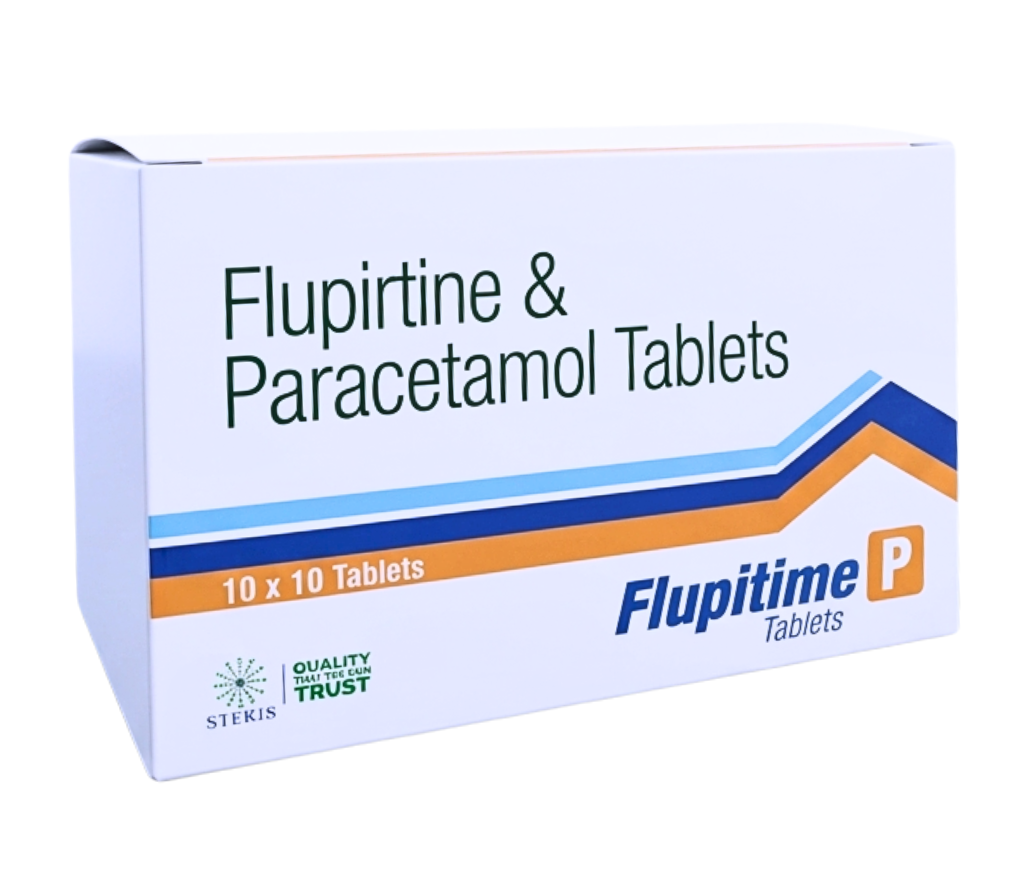
Flupirtine (100mg) & Paracetamol (325mg) combines two analgesic ingredients that have been used for the management of pain. Flupirtine is a non-opioid, centrally acting analgesic that works differently from conventional NSAIDs. It activates neuronal potassium channels and reduces excessive neuronal excitability involved in pain signalling. Paracetamol, also known as acetaminophen, provides analgesic and antipyretic activity and is commonly used to reduce pain and fever. However, the presence of flupirtine makes this combination subject to important safety considerations. Flupirtine has been associated with serious liver injury, including liver failure. The European Medicines Agency reported that serious liver problems continued despite earlier restrictions and subsequently endorsed withdrawal of flupirtine-containing medicines in the European Union. There is also an important India-specific regulatory consideration. A Government of India notification dated August 2, 2024 prohibited the manufacture for sale, sale, and distribution for human use of the FDC flupirtine maleate 400 mg + paracetamol 325 mg, stating that the combination could involve risk to humans, safer alternatives were available, and there was no therapeutic justification for the ingredients in that FDC. Because the strength requested here is Flupirtine 100mg + Paracetamol 325mg, it should not automatically be assumed to be the same formulation covered by that notification. The exact product, strength, formulation, manufacturer, and current authorisation should therefore be verified before creating a transactional listing.
How to use
Use Flupirtine (100mg) & Paracetamol (325mg) only when specifically prescribed or approved by a qualified healthcare professional. Do not self-medicate with this combination for persistent, unexplained, or recurrent pain. Follow the exact prescribed dose and duration. Do not increase the dose because the pain has not improved. Do not take additional paracetamol-containing medicines without checking with your doctor or pharmacist, because excessive total paracetamol intake can cause serious liver damage. Inform your healthcare professional about every prescription medicine, over-the-counter medicine, herbal product, and supplement you are taking. Do not combine flupirtine with other medicines known to cause liver injury unless your healthcare professional has specifically evaluated the combination. Take the medicine according to the administration instructions supplied with the specific product. Do not crush or alter the dosage form unless instructed. Because flupirtine has been associated with serious liver injury, treatment should involve careful professional assessment of liver safety. Earlier regulatory restrictions included regular liver-function monitoring. Do not use flupirtine as a long-term treatment unless its use is specifically authorised and medically supervised. Earlier European restrictions limited oral flupirtine treatment to acute pain for no longer than two weeks. Seek immediate medical attention if you develop yellowing of the skin or eyes, dark urine, persistent nausea, vomiting, unusual tiredness, loss of appetite, or upper abdominal pain, as these may indicate liver injury. Avoid alcohol because alcohol can increase concerns regarding liver toxicity when combined with medicines that can affect the liver. If you miss a prescribed dose, follow your healthcare professional's instructions rather than taking a double dose. Keep the medicine stored according to the manufacturer's instructions and away from children.