
Medicine information
Uses & overview
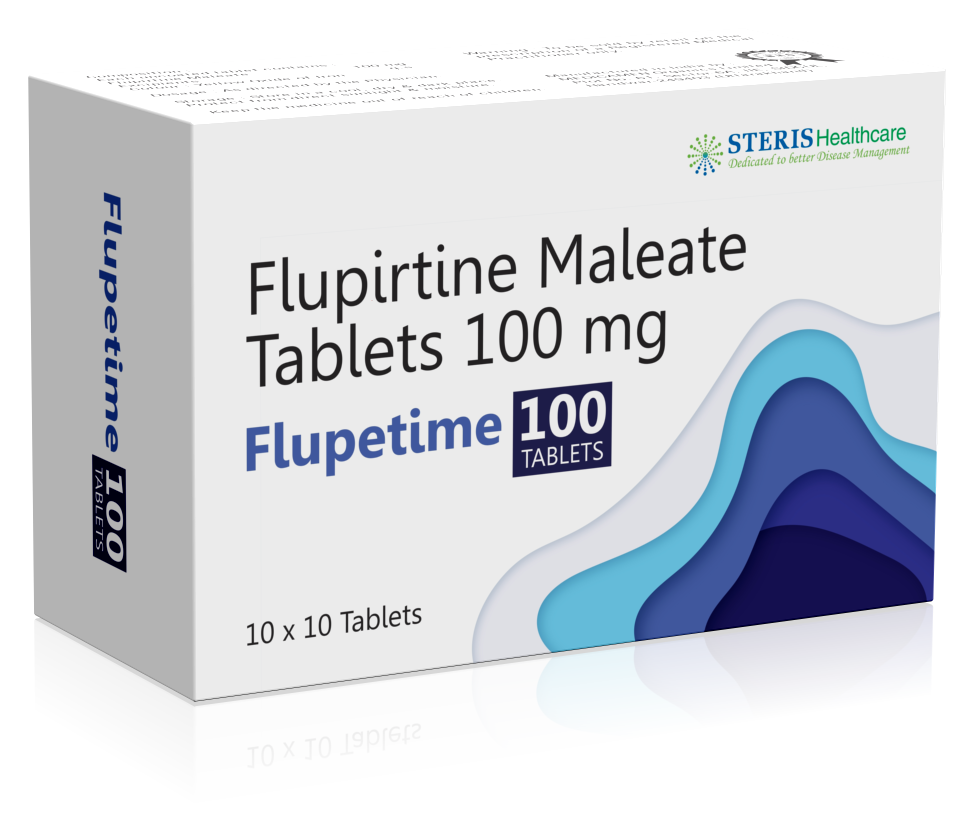
Flupirtine Maleate (100mg) is a centrally acting, non-opioid analgesic that has historically been used for the treatment of acute or short-term pain. It works primarily through neuronal potassium-channel activation, which can reduce excessive neuronal excitability associated with pain. Unlike traditional NSAIDs, flupirtine does not primarily work by inhibiting cyclooxygenase enzymes. Historically, oral flupirtine medicines were used for acute pain in adults who could not use certain other painkillers. Earlier European restrictions limited treatment to a maximum of two weeks and required regular liver-function monitoring because of concerns about hepatotoxicity. However, Flupirtine Maleate 100mg should not be presented as a routine or automatically safe painkiller. The European Medicines Agency ultimately endorsed withdrawal of marketing authorisations for flupirtine-containing medicines because serious liver injury, including cases of acute liver failure, continued to occur despite safety restrictions. If a healthcare professional specifically prescribes or recommends flupirtine where it is legally available, the treatment duration, liver-function monitoring, contraindications, and possible interactions should be followed carefully. Patients with existing liver disease or those using medicines that can cause liver injury require particular caution.
How to use
Take Flupirtine Maleate (100mg) only when specifically prescribed or recommended by a qualified healthcare professional. Do not self-medicate with flupirtine for recurring, chronic, or unexplained pain. Follow the exact dose and treatment duration provided by your doctor. Do not increase the dose because pain has not improved. Flupirtine has historically been restricted to short-term treatment of acute pain, rather than long-term management of chronic pain. Swallow the prescribed dosage with water and follow the administration instructions supplied with the particular product. Do not combine flupirtine with other medicines that may cause liver injury unless your healthcare professional has specifically assessed the combination. Tell your doctor about every prescription medicine, over-the-counter medicine, herbal product, and nutritional supplement you currently use. Patients receiving flupirtine require particular attention to liver safety. Earlier regulatory recommendations included regular liver-function testing during treatment. Stop treatment and seek medical advice immediately if symptoms suggestive of liver injury develop, such as loss of appetite, persistent nausea, vomiting, abdominal pain, unusual tiredness, dark urine, itching, or yellowing of the skin or eyes. Do not take another dose to compensate for a missed dose unless your healthcare professional specifically instructs you to do so. Avoid using flupirtine for longer than prescribed. Prolonged use increases concern about liver-related safety. Keep the medicine away from children and store it according to the manufacturer's instructions. Because flupirtine has been withdrawn in the European Union due to serious liver-safety concerns, verify the current regulatory status of any product before purchase or use.