
Medicine information
Uses & overview
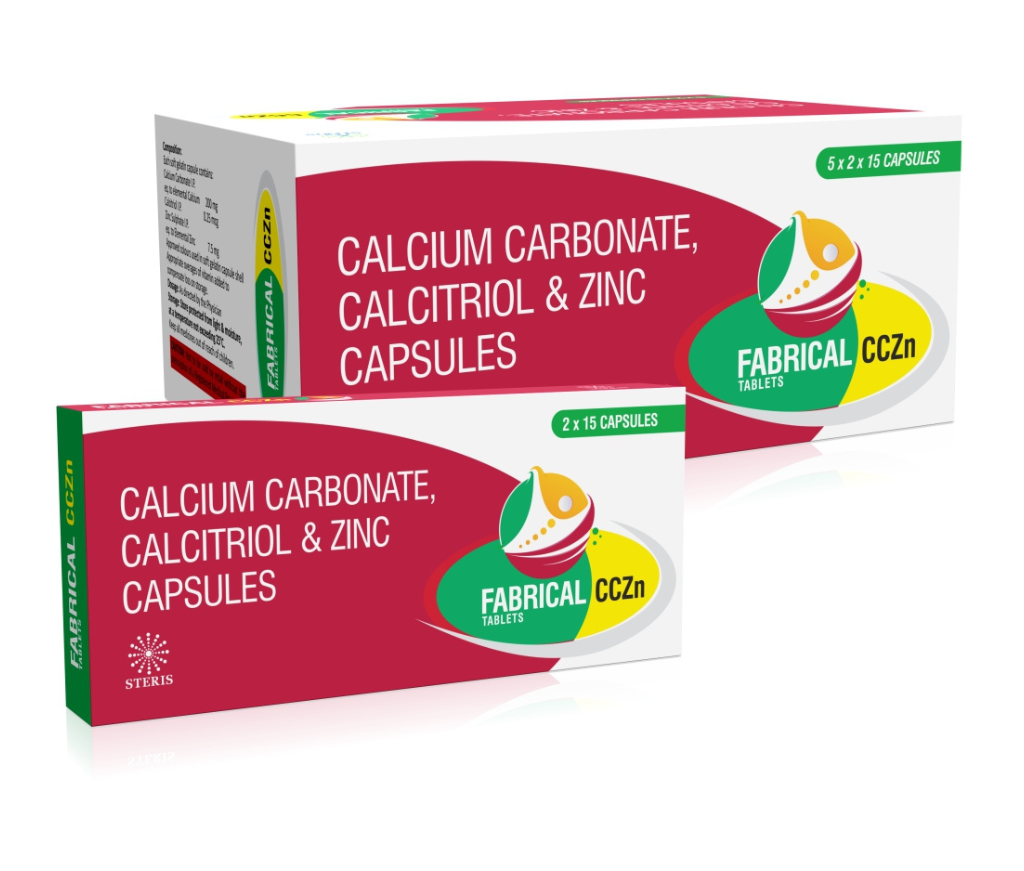
Calcium Carbonate, Calcitriol & Zinc Capsules combine three important nutrients that can support bone health, mineral balance, and nutritional requirements. Calcium carbonate is a source of calcium, an essential mineral required for maintaining normal bones and teeth. Calcium also plays an important role in normal muscle contraction, nerve transmission, and several physiological processes. Calcitriol is the biologically active form of Vitamin D. Unlike ordinary Vitamin D, calcitriol is already in an active form and plays a key role in regulating calcium and phosphate metabolism. It helps promote intestinal absorption of calcium and phosphate and supports normal bone mineralization when used appropriately. Zinc is an essential trace mineral involved in numerous biological processes, including normal immune function, protein synthesis, cell division, wound healing, and maintenance of tissues. The combination may therefore provide nutritional support when calcium, active Vitamin D, or zinc supplementation is considered appropriate by a healthcare professional. Because calcitriol is an active form of Vitamin D, this combination should not be taken casually or in higher-than-recommended amounts. Excessive calcium or calcitriol can increase blood calcium levels and may cause symptoms such as nausea, constipation, weakness, excessive thirst, or increased urination. People with kidney disease, kidney stones, elevated blood calcium, or disorders affecting calcium metabolism should consult a healthcare professional before use. Inform your doctor about all medicines and supplements you take to reduce the risk of interactions.
How to use
Take Calcium Carbonate, Calcitriol & Zinc Capsules exactly according to the dose and duration recommended by your doctor or healthcare professional. Swallow the capsule whole with sufficient water. Do not crush, chew, open, or dissolve the capsule unless your healthcare professional specifically instructs you to do so. Follow the product label or prescription regarding whether the capsule should be taken with food. Calcium carbonate is generally absorbed better when taken with meals. Take the medicine at approximately the same time each day if regular supplementation has been prescribed. Do not take more capsules than recommended. Increasing the dose does not necessarily improve bone health and may increase the risk of excessive calcium or calcitriol levels. Inform your doctor if you are already taking other calcium, Vitamin D, calcitriol, or multivitamin supplements to avoid unnecessary duplication. Calcium may interfere with the absorption of certain medicines, including some antibiotics and thyroid medicines. Your doctor or pharmacist can advise you about appropriate spacing between doses. Tell your healthcare professional if you have kidney disease, kidney stones, high calcium levels, parathyroid disorders, or any condition affecting calcium or phosphate metabolism. Drink an adequate amount of fluid unless your doctor has advised fluid restriction, particularly if you have previously experienced kidney stones. If you miss a dose, take it when you remember unless it is almost time for your next dose. Do not take two doses together to compensate. Seek medical advice if you experience persistent nausea, vomiting, severe constipation, unusual weakness, excessive thirst, frequent urination, or other symptoms that could indicate excessive calcium levels. Continue the supplement only for the period recommended by your healthcare professional. Long-term use of calcitriol may require monitoring of calcium and phosphate levels. Store the capsules in a cool, dry place away from direct sunlight and moisture, and keep them out of reach of children.