
Medicine information
Uses & overview
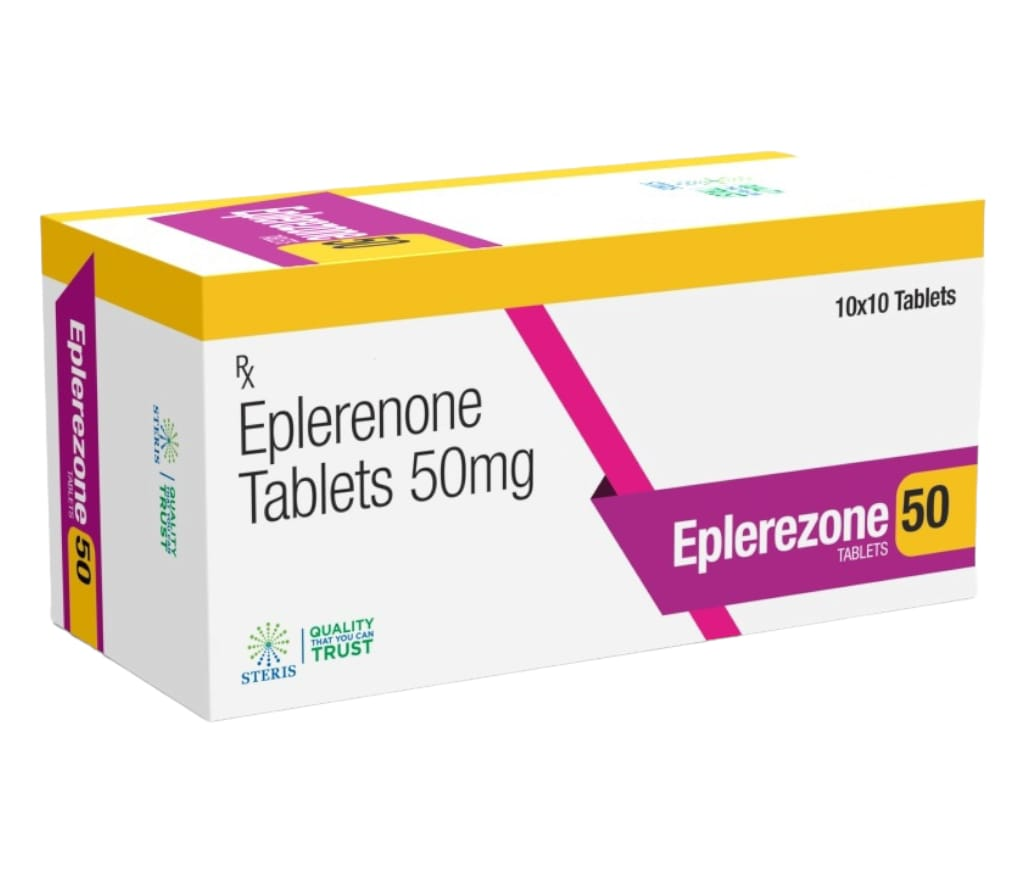
Eplerenone 50 mg is a medicine used for selected cardiovascular conditions, including certain cases of heart failure following a heart attack. Depending on local approvals and individual medical circumstances, it may also be prescribed to treat hypertension. It belongs to a class of medicines known as mineralocorticoid receptor antagonists, which block the action of aldosterone, a hormone involved in regulating sodium, water, and potassium balance. By blocking aldosterone, eplerenone can help reduce harmful effects on the cardiovascular system. In appropriate patients with heart failure, it may form part of a treatment plan intended to improve clinical outcomes. The 50 mg strength may be prescribed as an individual dose or reached through gradual dose adjustment, depending on the indication, potassium levels, kidney function, and response to treatment. Possible adverse effects include elevated potassium levels, dizziness, and changes in kidney function. High potassium can sometimes cause serious heart rhythm problems without obvious early symptoms, so regular blood tests are important. Inform your doctor about kidney disease, liver problems, diabetes, and all medicines or supplements you take. Potassium supplements and potassium-containing salt substitutes require particular caution.
How to use
Follow your prescription: Do not assume that 50 mg is the correct starting dose for everyone. Your doctor may begin with a lower dose and adjust it according to your condition and laboratory results. Take it consistently: Follow the prescribed schedule each day. Taking your medicine at a regular time can help you remember your dose. Take with or without food: Eplerenone tablets can generally be taken with or without food. Follow the instructions provided with your specific product. Swallow with water: Take the tablet as directed by your pharmacist or doctor. If you miss a dose: Follow the patient leaflet or ask your pharmacist for advice. Do not take two doses together to make up for a missed tablet. Attend blood tests: Your doctor should check your blood potassium level before treatment and regularly afterward. Kidney function may also need monitoring, especially after starting treatment or changing the dose. Avoid unapproved potassium products: Do not use potassium supplements or potassium-containing salt substitutes unless your doctor specifically approves them. Check medicine interactions: Tell your doctor about ACE inhibitors, ARBs, other potassium-sparing diuretics, anti-inflammatory painkillers, and medicines such as clarithromycin or certain antifungal drugs. Some combinations can dangerously increase potassium or eplerenone levels. Report warning signs: Seek prompt medical attention for severe muscle weakness, an irregular heartbeat, fainting, or other concerning symptoms. Continue treatment as directed: Do not discontinue eplerenone or alter the dose independently, even if you feel better.