
Medicine information
Uses & overview
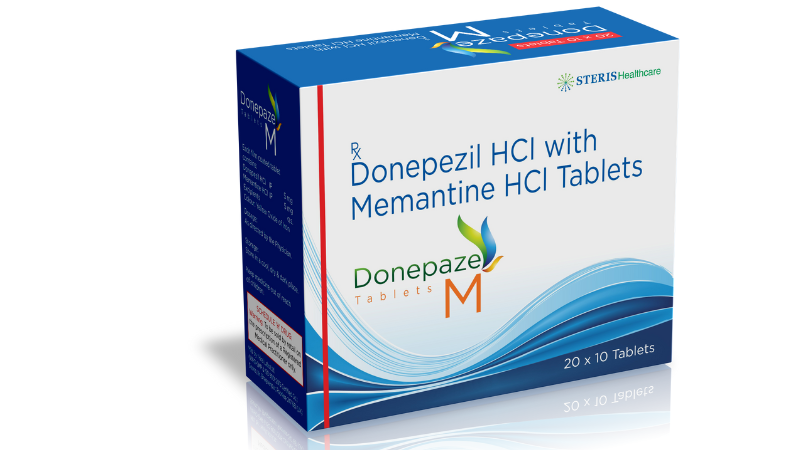
Donepezil 5 mg with Memantine 5 mg is a combination medicine containing two active ingredients that act on different chemical pathways in the brain. It may be prescribed for selected patients with Alzheimer's disease when a healthcare professional considers both medicines appropriate. The exact indication depends on the product's approved uses, the patient's condition, and the prescribing doctor's assessment. Donepezil belongs to a group of medicines called acetylcholinesterase inhibitors. It works by slowing the breakdown of acetylcholine, a chemical messenger involved in memory, learning, and thinking. Memantine is an NMDA receptor antagonist that helps regulate glutamate activity in the brain. These different mechanisms may help manage certain symptoms associated with Alzheimer's disease, although individual responses vary. This combination does not cure Alzheimer's disease or stop its progression. Treatment aims to help manage symptoms and support daily functioning where possible. The prescribing healthcare professional should evaluate the patient's diagnosis, current medicines, medical history, and ability to tolerate both ingredients. Possible side effects include dizziness, headache, nausea, diarrhoea, constipation, confusion, and changes in sleep. Donepezil may also slow the heart rate or contribute to fainting in some patients. Patients with kidney or liver problems, heart rhythm disorders, a history of fainting, or other significant medical conditions should inform their doctor before treatment. The correct dose and schedule depend on the specific product and the patient's circumstances; the two ingredients should not be adjusted independently.
How to use
Follow the prescription: Take the prescribed dose at the recommended time. Do not increase, reduce, or discontinue treatment without medical advice. Confirm the formulation: Check the packaging to verify that each tablet contains donepezil 5 mg and memantine 5 mg. Different products may have different strengths or dosing instructions. Take it consistently: Follow your doctor's instructions regarding daily timing and whether the medicine should be taken with food. Swallow the tablet correctly: Follow the product leaflet. Do not crush, split, or chew the tablet unless the specific product instructions or pharmacist confirm this is appropriate. Handle missed doses carefully: Follow the leaflet or ask your pharmacist what to do. Do not take a double dose to compensate for a missed dose. Seek advice after interruptions: If you have stopped taking the medicine for several days, contact your doctor before restarting, as the appropriate restart schedule may need review. Inform your doctor about other medicines: Report all prescription medicines, non-prescription products, and supplements you take, particularly medicines affecting heart rate, brain function, or kidney function. Monitor side effects: Contact your healthcare professional if dizziness, confusion, persistent digestive problems, or unusual sleepiness develops. Seek urgent care for fainting or a markedly slow heartbeat. Attend follow-up appointments: Regular reviews help your doctor assess symptom control, side effects, and whether treatment remains appropriate. Do not share your medicine: This combination is prescribed according to individual medical needs and should not be used by another person.