

Medicine information
Uses & overview
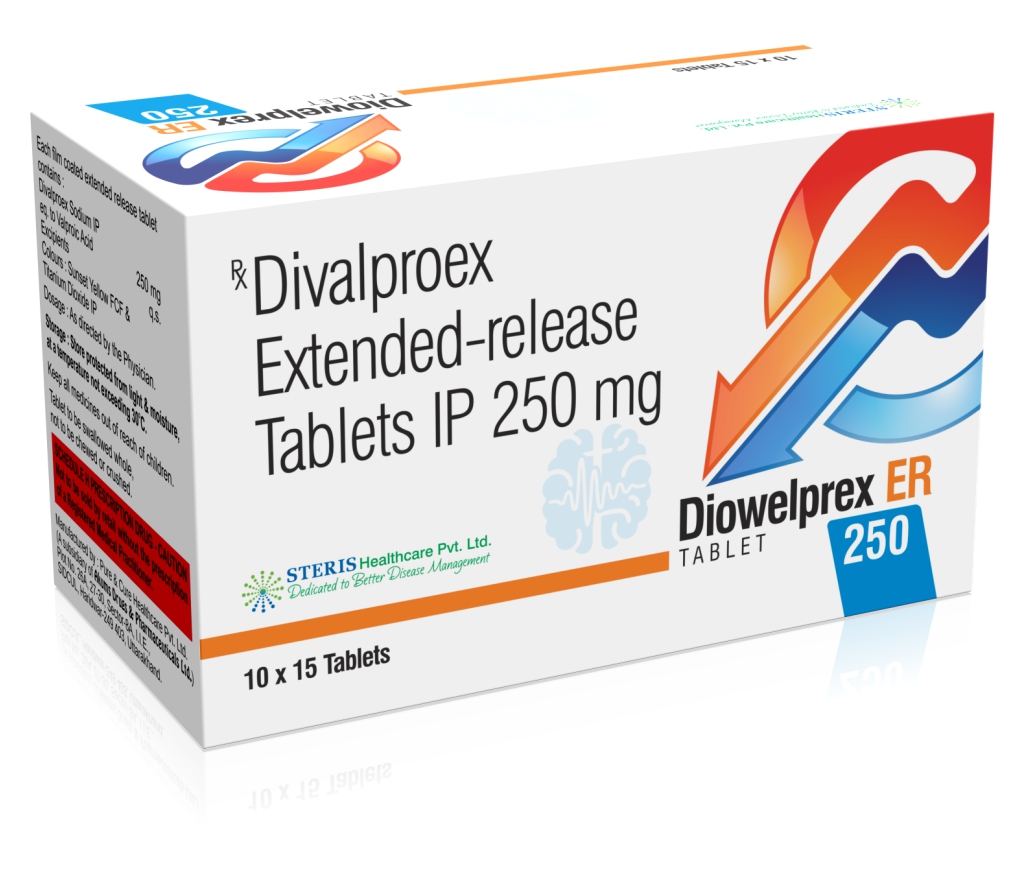
Divalproex ER (250 mg) is an extended-release medicine used for selected neurological and psychiatric conditions. Depending on the exact formulation and its approved indications, divalproex may be prescribed to help control certain seizure disorders, manage manic episodes associated with bipolar disorder, or prevent migraine headaches. It is not suitable for every patient, and its use should be determined by a qualified healthcare professional. Divalproex affects the activity of neurotransmitters in the central nervous system, including pathways involving gamma-aminobutyric acid (GABA). These actions can help regulate abnormal electrical activity in the brain and support mood stabilisation in appropriate patients. The extended-release formulation is designed to release the medicine gradually, helping maintain its effect according to the prescribed schedule. The correct dose depends on the condition being treated, age, body weight, response to therapy, other medicines, and individual health factors. Doctors may recommend blood tests and monitoring of liver function, blood counts, and other parameters during treatment. Common side effects can include nausea, stomach discomfort, tremor, sleepiness, and weight changes. Divalproex can also cause serious liver injury, pancreatitis, and other complications in some patients. Pregnancy precautions are especially important: valproate medicines can cause serious birth defects and developmental problems when used during pregnancy. People who could become pregnant should discuss the risks, pregnancy prevention requirements, and alternative treatments with their specialist. Do not stop treatment suddenly without medical advice, particularly if it is being used to control seizures.
How to use
Follow the prescribed dose: Take the exact amount recommended by your doctor. Do not increase, reduce, or discontinue the medicine independently. Take it at the recommended time: Follow your prescription and product leaflet regarding the timing and frequency of each dose. Swallow the extended-release tablet whole: Do not crush, chew, or break it unless the specific product leaflet or your pharmacist explicitly confirms that it is safe. Maintain a consistent schedule: Taking the medicine regularly helps maintain treatment consistency and reduces the risk of missed doses. If you miss a dose: Follow the leaflet's instructions or contact your pharmacist. Do not take a double dose to compensate for a missed one. Attend monitoring appointments: Your doctor may recommend blood tests and liver-function checks to monitor safety and treatment response. Tell your doctor about other medicines: Inform your healthcare professional about all medicines and supplements you take, especially other seizure medicines, anticoagulants, and aspirin. Report concerning symptoms: Seek urgent medical care for severe abdominal pain, persistent vomiting, yellowing of the skin or eyes, unusual bruising, or marked changes in alertness. Discuss pregnancy risks: If you could become pregnant, speak with your specialist about the significant risks associated with valproate medicines and the need for appropriate pregnancy prevention measures. Do not stop suddenly: Abrupt discontinuation may worsen seizures or other symptoms. Any change should be supervised by your healthcare professional.