
Medicine information
Uses & overview
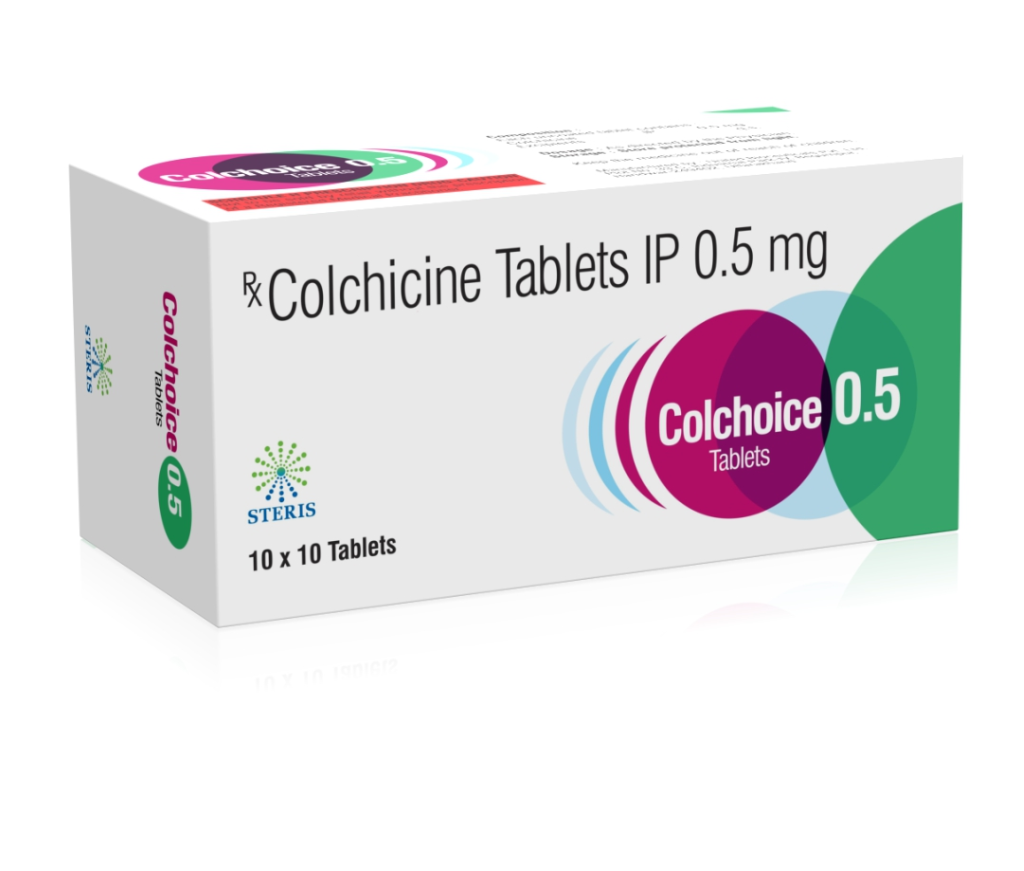
Colchicine 0.5 mg is an anti-inflammatory medicine primarily used for the treatment and prevention of gout attacks. Gout occurs when uric acid crystals accumulate in a joint, causing inflammation, pain, swelling, redness, and tenderness. Colchicine helps reduce the inflammatory reaction associated with these crystals and can therefore help manage gout-related symptoms. It may also be prescribed for certain other medical conditions when specifically recommended by a healthcare professional. If you are looking to buy Colchicine 0.5 mg online in India, verify the medicine strength, pack size, manufacturer or marketer information, prescription requirements, and dosage instructions before placing an order. Colchicine has a relatively narrow safety margin, meaning taking more than the prescribed amount can be dangerous. Therefore, it should never be self-medicated or taken in higher doses for faster relief. Common side effects may include nausea, vomiting, abdominal discomfort, or diarrhea. Severe or persistent diarrhea should be reported to a healthcare professional. Tell your doctor about kidney or liver problems and all other medicines you take, as certain medicines can increase colchicine levels and the risk of toxicity.
How to use
Follow the prescribed dose: Take Colchicine 0.5 mg exactly according to your doctor’s instructions. Never increase the dose without medical advice. Take with water: Swallow the tablet with sufficient water. It may generally be taken with or without food, depending on your doctor’s instructions. For gout attacks: Take colchicine according to the specific dosing schedule prescribed for an acute gout flare. Do not continue taking additional doses beyond the recommended amount. For prevention: If prescribed to prevent gout attacks, take it regularly according to your doctor’s schedule. Do not double the dose: If you miss a dose, follow your prescription instructions. Do not take extra tablets to compensate for a missed dose. Avoid self-medication: Colchicine has a narrow therapeutic range, and excessive doses can cause serious or potentially life-threatening toxicity. Check other medicines: Inform your doctor or pharmacist about all prescription medicines, over-the-counter products, and supplements you use because some medicines can interact with colchicine. Kidney or liver disease: Tell your healthcare professional if you have kidney or liver problems, as dose adjustments or additional precautions may be necessary. Monitor digestive symptoms: Diarrhea, nausea, vomiting, and abdominal pain can occur. Persistent or severe symptoms require medical attention. Seek urgent help for serious symptoms: Severe weakness, unusual bruising, muscle pain, numbness, or severe gastrointestinal symptoms should be promptly evaluated by a healthcare professional. Continue only as prescribed: Do not stop, restart, or change your colchicine treatment schedule without discussing it with your doctor.