
Medicine information
Uses & overview
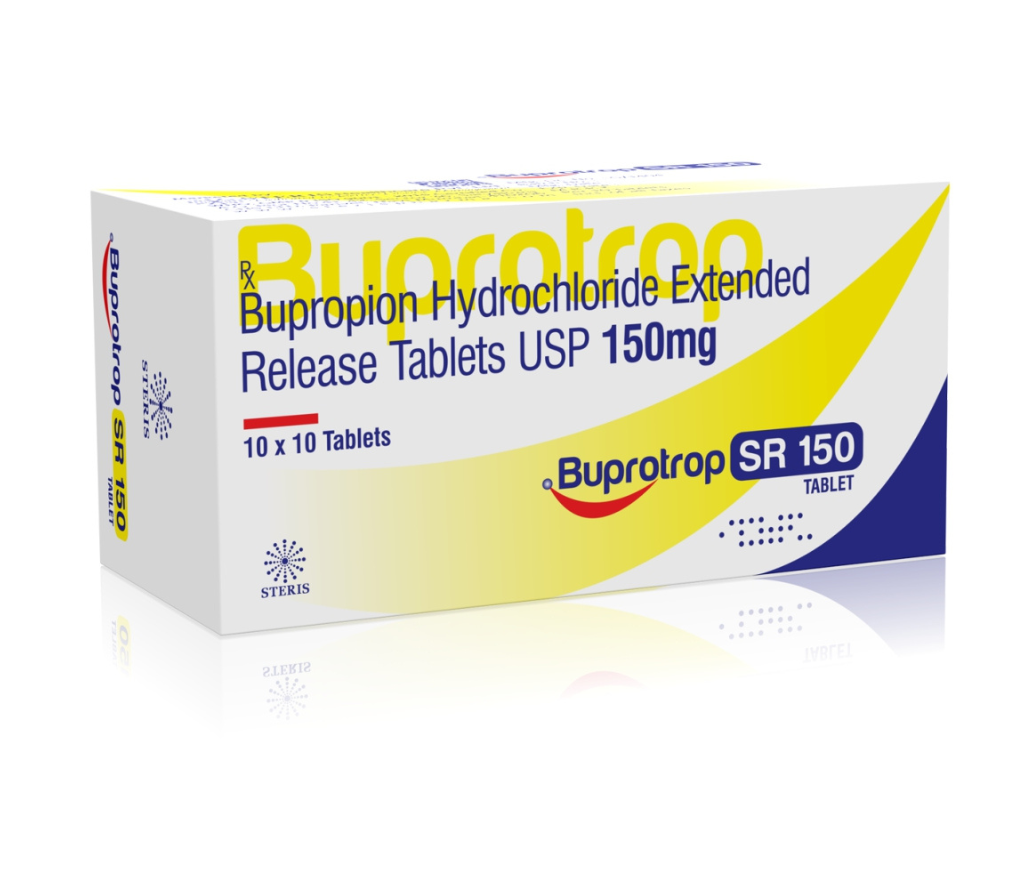
Bupropion Hydrochloride Extended Release Tablets USP 150 mg is a prescription medicine used to treat certain health conditions, particularly major depressive disorder. Depending on the approved formulation and prescribing information, bupropion may also be used as part of a smoking cessation programme. Its suitability depends on the patient's diagnosis, medical history, and treatment goals. Bupropion affects the activity of norepinephrine and dopamine, chemical messengers involved in mood, motivation, and other brain functions. Unlike many other antidepressants, it does not primarily act by inhibiting serotonin reuptake. The extended-release formulation is designed to release the medicine gradually according to its specific release technology. Treatment benefits may develop over several weeks, so patients should follow their healthcare professional's advice and attend scheduled follow-up appointments. Common side effects may include dry mouth, nausea, headache, difficulty sleeping, and dizziness. Bupropion can increase blood pressure and carries a dose-related risk of seizures. It may not be suitable for people with seizure disorders, current or previous bulimia or anorexia nervosa, or certain circumstances involving abrupt withdrawal from alcohol or sedatives. It must not be combined with monoamine oxidase inhibitors (MAOIs) in prohibited circumstances.
How to use
1. Take only as prescribed: Use this medicine under the supervision of a qualified healthcare professional. The dose and duration depend on the condition being treated and your medical history. 2. Follow the prescribed schedule: Take the tablet at the time specified by your doctor. The dosing schedule varies according to the particular extended-release formulation. 3. Swallow the tablet whole: Do not crush, split, or chew the tablet unless the specific product information and your pharmacist explicitly confirm that splitting is permitted. Damaging an extended-release tablet may release the medicine too quickly and increase the risk of serious adverse effects, including seizures. 4. Take it consistently: Follow the instructions regarding food and timing on your product label. If the medicine affects your sleep, ask your doctor whether the timing needs adjustment. 5. Manage missed doses safely: If you miss a dose, skip it and take your next dose at the regular time. Never take an extra dose to compensate. 6. Avoid excessive alcohol consumption: Discuss alcohol use with your doctor because heavy drinking and sudden alcohol withdrawal can increase seizure risk. 7. Attend follow-up appointments: Your doctor may monitor your mood, blood pressure, side effects, and treatment response. 8. Seek help for serious symptoms: Get urgent medical attention for a seizure, severe allergic reaction, or thoughts of self-harm.