
Medicine information
Uses & overview
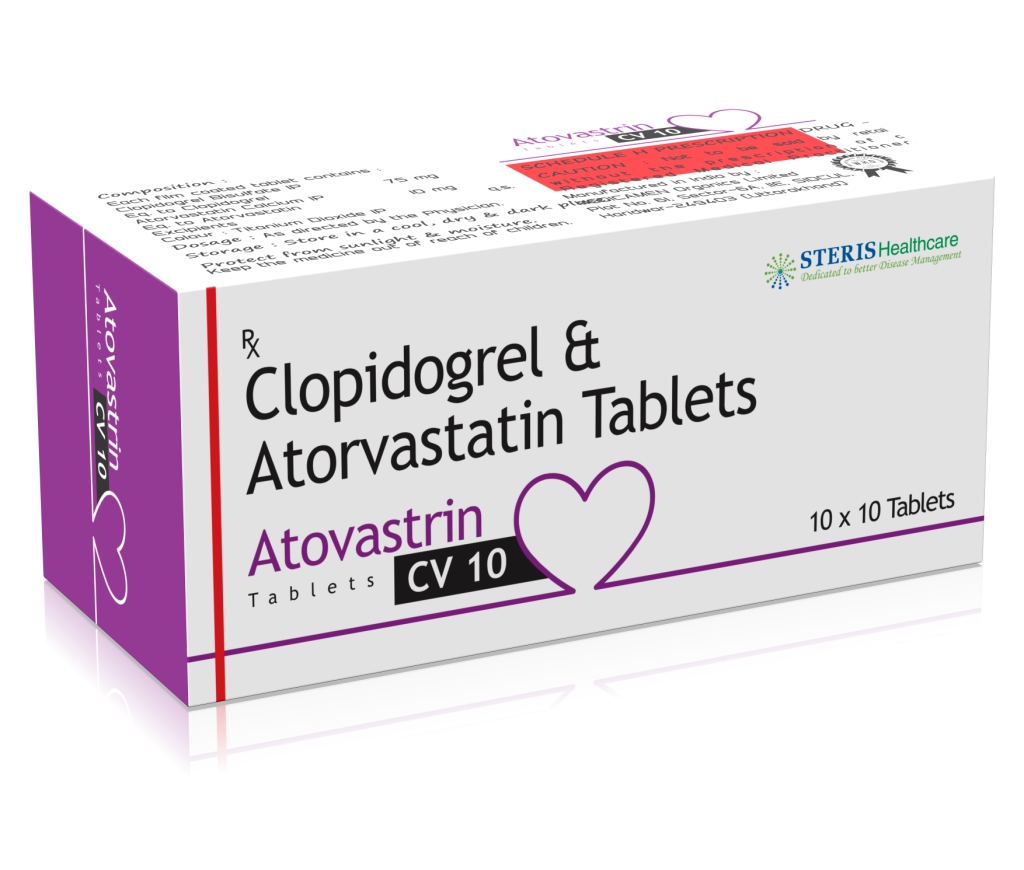
Clopidogrel & Atorvastatin is a combination of two prescription medicines that may be used together to support cardiovascular health in patients who need both antiplatelet treatment and cholesterol management. The exact strengths and approved uses depend on the specific product and the patient's medical condition. Clopidogrel belongs to the antiplatelet class of medicines. It works by reducing the ability of platelets to stick together, helping prevent the formation of harmful blood clots in arteries. Doctors may prescribe it for certain patients following a heart attack, an ischaemic stroke, or coronary stent placement, depending on their clinical needs. Atorvastatin is a statin that reduces cholesterol production in the liver. It helps lower LDL cholesterol and triglycerides and may help reduce the risk of heart attack and stroke in appropriate patients. Possible side effects include bruising, bleeding, stomach discomfort, muscle pain, and digestive symptoms. Clopidogrel increases bleeding risk, while atorvastatin can rarely cause serious muscle injury or liver problems. Medical supervision is particularly important for people with a history of bleeding, liver disease, or kidney problems.
How to use
Follow your prescription: Check the strength of both ingredients on the packaging. Combination products may contain different amounts of clopidogrel and atorvastatin, so do not assume that all products are interchangeable. Take it consistently: Follow the prescribed schedule, which is commonly once daily for many regimens. Taking the medicine at the same time each day can help you remember your dose. Follow food instructions: Both ingredients can generally be taken with or without food. Follow the specific product leaflet and swallow the tablet with water. If you miss a dose: Follow your product's patient leaflet or ask your pharmacist for guidance. Do not take a double dose to compensate for a missed tablet. Do not stop clopidogrel independently: Stopping it, especially after coronary stent placement or a recent heart attack, may increase the risk of dangerous blood clots. Consult your cardiologist before surgery, dental procedures, or any planned interruption. Watch for bleeding: Seek medical advice for unusual bruising, prolonged bleeding, blood in the urine, or black stools. Vomiting blood or uncontrolled bleeding requires urgent medical attention. Monitor cholesterol and muscle symptoms: Your doctor may arrange cholesterol tests and liver-function tests. Report unexplained muscle pain, tenderness, or weakness, especially if accompanied by fever or dark urine. Check medicine interactions: Tell your doctor about anticoagulants, other antiplatelet medicines, ibuprofen, naproxen, omeprazole, esomeprazole, and all supplements. Support treatment with healthy habits: Follow medical advice about diet, physical activity, smoking cessation, and management of blood pressure and diabetes.