
Medicine information
Uses & overview
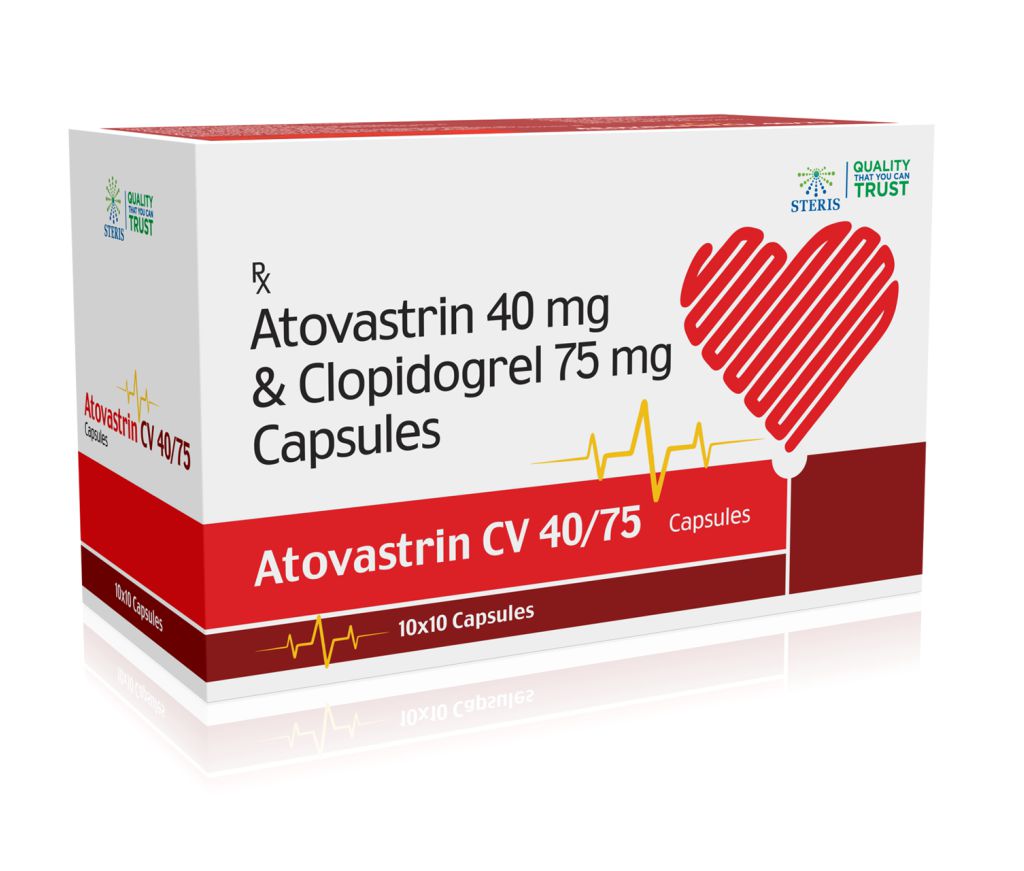
Atorvastatin 40 mg + Clopidogrel 75 mg is a prescription medicine combination that may be recommended for selected patients who require cholesterol management and prevention of platelet-related blood clots. It contains two active ingredients that work through different mechanisms to support cardiovascular health. Atorvastatin 40 mg belongs to the statin class of medicines. It works by inhibiting an enzyme involved in cholesterol production in the liver, helping lower LDL cholesterol and triglycerides while potentially increasing HDL cholesterol. Lowering LDL cholesterol can reduce the risk of cardiovascular events in appropriate patients. Clopidogrel 75 mg is an antiplatelet medicine. It reduces platelet aggregation, making platelets less likely to form harmful blood clots in arteries. Doctors may prescribe clopidogrel for certain patients with a history of heart attack, ischaemic stroke, peripheral arterial disease, or coronary stent placement. Possible side effects include bruising, bleeding, stomach discomfort, and muscle pain. Rarely, atorvastatin can cause serious muscle injury or liver problems. Clopidogrel increases bleeding risk, so patients with active bleeding or certain medical conditions require careful assessment.
How to use
Follow your prescription: Take the prescribed dose at the recommended time. Do not increase, reduce, or change the dose without consulting your healthcare professional. Take it consistently: This combination is commonly prescribed once daily, but you should follow your individual prescription and the specific product leaflet. Follow food instructions: Atorvastatin and clopidogrel can generally be taken with or without food. Swallow the tablet with water according to the product instructions. If you miss a dose: Follow the patient leaflet or contact your pharmacist for advice. Do not take an extra dose to compensate for a missed tablet. Do not stop clopidogrel independently: Stopping clopidogrel, particularly after coronary stent placement or a recent heart attack, can increase the risk of dangerous blood clots. Consult your cardiologist before interrupting treatment, including before surgery or dental procedures. Monitor for bleeding: Report unusual bruising, prolonged bleeding from cuts, blood in the urine, black stools, or vomiting blood. Seek urgent medical attention for serious or uncontrolled bleeding. Monitor cholesterol and liver health: Your doctor may recommend cholesterol tests and liver-function tests. Report unexplained muscle pain, tenderness, or weakness, especially if accompanied by fever or dark urine. Review other medicines: Tell your doctor about anticoagulants, other antiplatelet medicines, ibuprofen, naproxen, omeprazole, esomeprazole, and all supplements. Some medicines can increase bleeding risk or interfere with clopidogrel's action. Maintain healthy habits: Follow your clinician's advice about diet, exercise, smoking cessation, and management of blood pressure and diabetes.