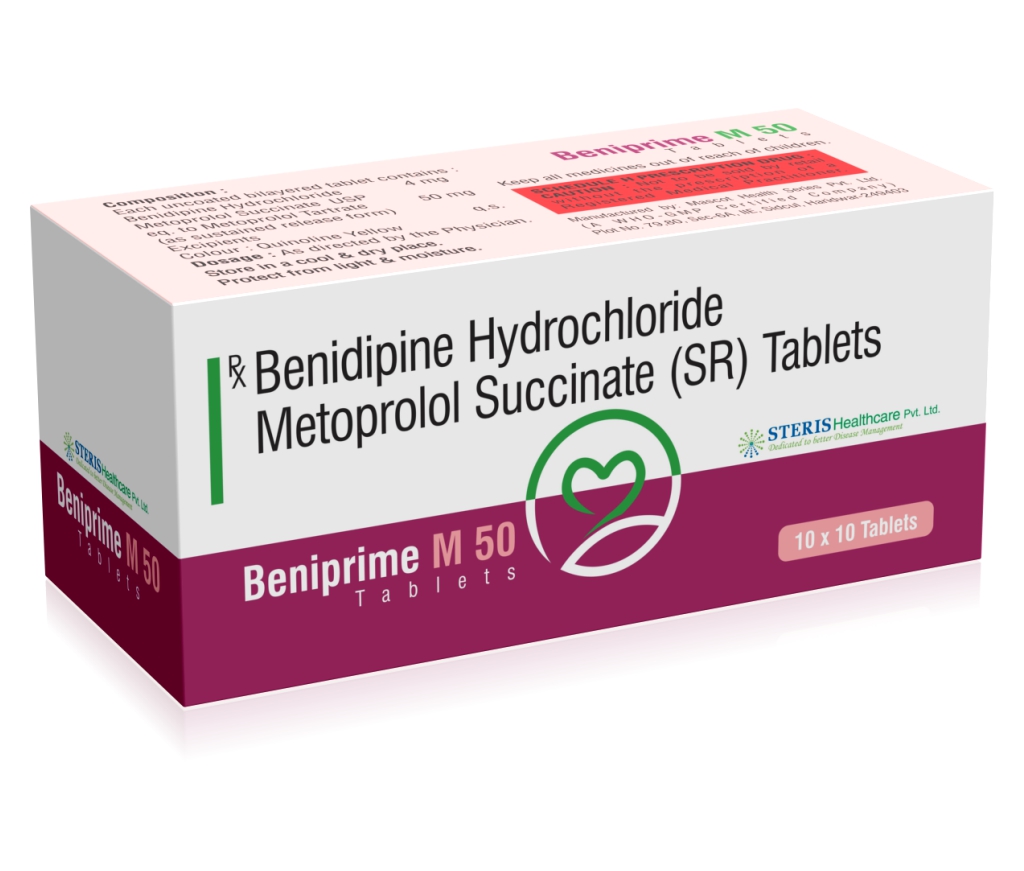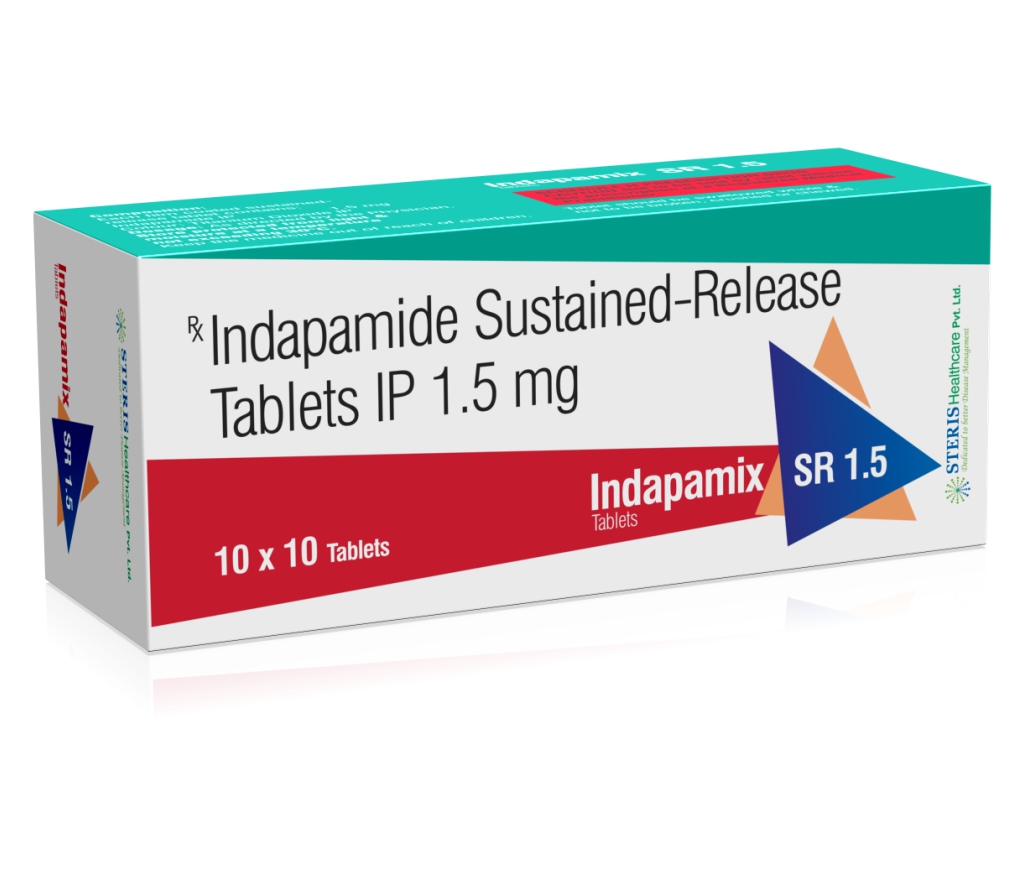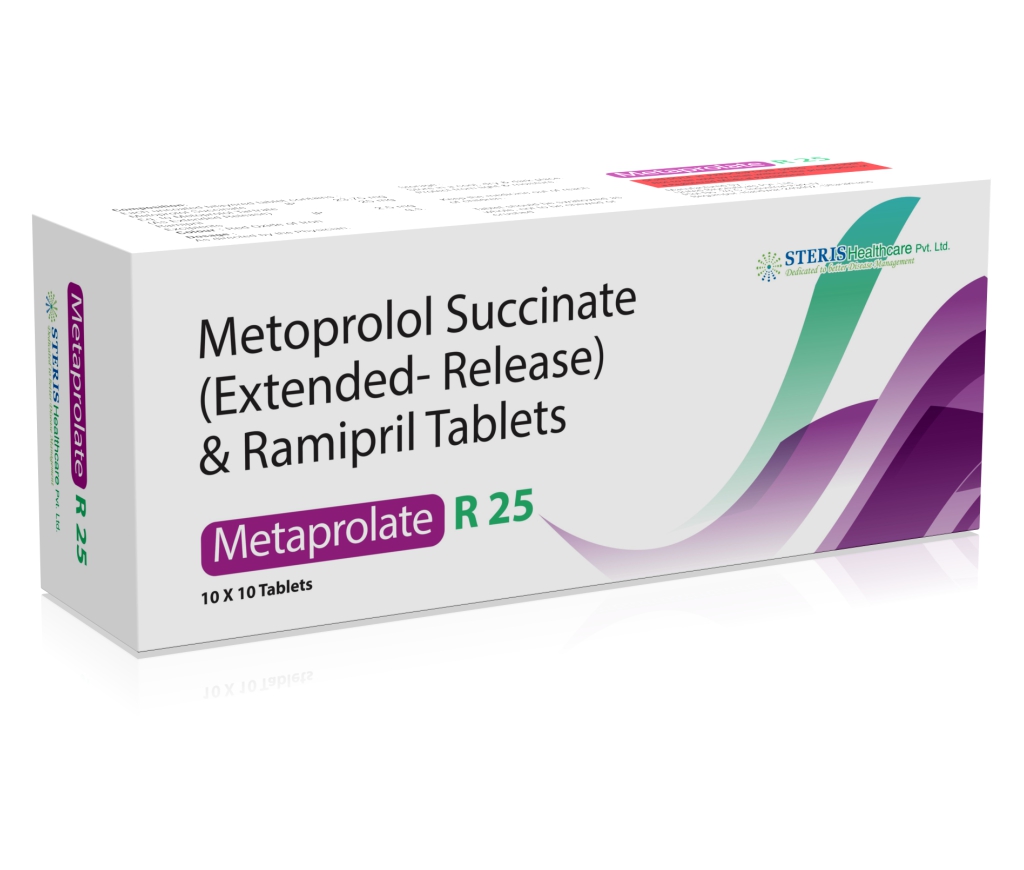


Medicine information
उपयोग
Valsartan is a prescription medication used to manage high blood pressure and selected cardiovascular conditions. It belongs to the angiotensin II receptor blocker (ARB) class of medicines. Valsartan works by blocking the action of angiotensin II, a substance that narrows blood vessels. This helps blood vessels relax, improves blood flow, and reduces blood pressure, allowing the heart to pump blood more efficiently. Healthcare professionals may prescribe Valsartan for hypertension, certain cases of heart failure, and eligible patients following a heart attack. By helping control blood pressure and reducing strain on the heart, it can support long-term cardiovascular management when used appropriately. The expected benefits depend on the patient's diagnosis, prescribed dose, and overall treatment plan. Valsartan is often used alongside lifestyle measures such as reducing dietary salt, maintaining a healthy weight, exercising regularly, and limiting alcohol consumption. Patients with kidney disease, liver problems, dehydration, or elevated potassium levels should inform their doctor before starting treatment. Valsartan may interact with potassium supplements, certain diuretics, nonsteroidal anti-inflammatory drugs (NSAIDs), and other blood pressure medicines.
कैसे उपयोग करें
Follow the prescribed dosage: Take the strength and dose recommended by your healthcare professional. The dose depends on your condition, blood pressure, age, kidney function, and treatment response. Take it regularly: Valsartan may be prescribed once or twice daily, depending on the condition being treated. Follow your prescription and take it at consistent times. Take with or without food: Valsartan can generally be taken with or without food. Try to follow a consistent routine each day. Swallow the tablet properly: Take the tablet with water. Do not crush or split it unless your pharmacist confirms that this is suitable for your specific product. Manage missed doses carefully: If you forget a dose, follow the patient leaflet or contact your pharmacist for advice. Do not take a double dose to compensate. Monitor your blood pressure: Check your blood pressure as recommended. Contact your doctor if you experience persistent dizziness, faintness, or unusually low blood pressure. Attend follow-up appointments: Your doctor may monitor kidney function and potassium levels, particularly after starting treatment or changing the dose. Inform your doctor about other medicines: Tell your healthcare professional about potassium supplements, salt substitutes containing potassium, diuretics, NSAIDs, and other blood pressure medications.