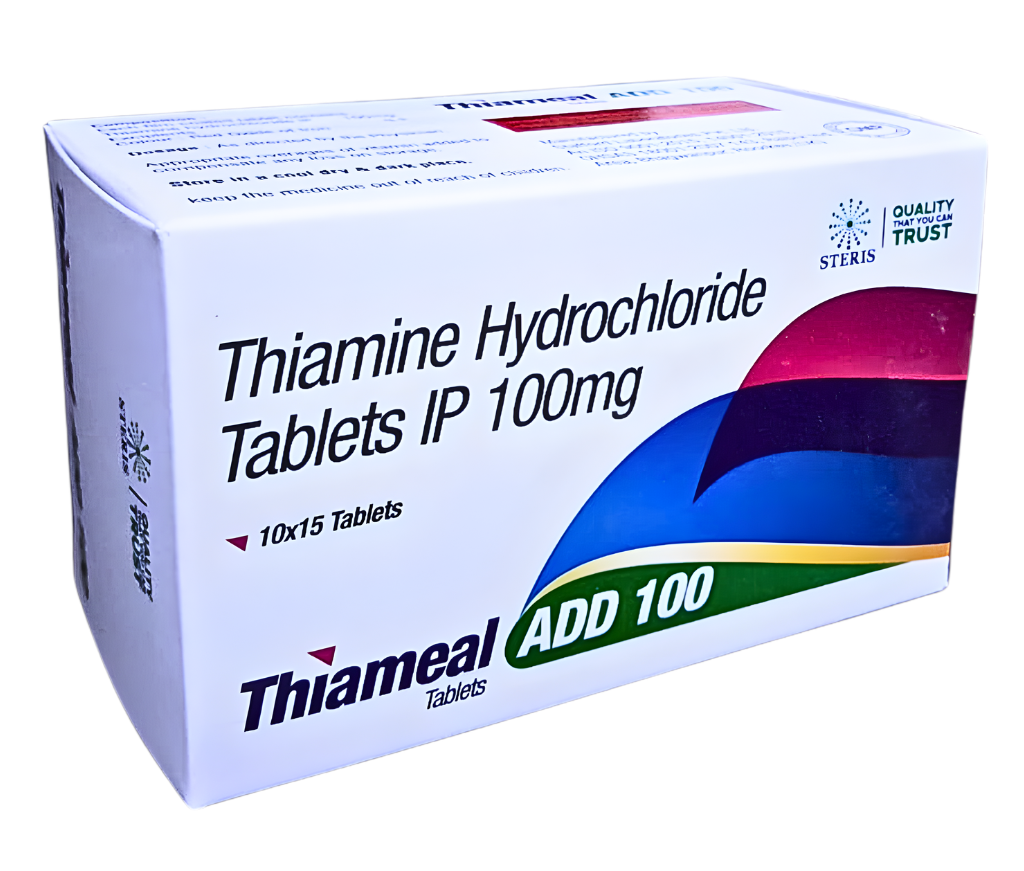

Medicine information
उपयोग
Thiamine 100 mg contains Vitamin B1, an essential water-soluble vitamin required for normal energy metabolism and nervous system function. It helps the body convert carbohydrates into usable energy and supports the normal functioning of nerves, muscles, and other tissues. Thiamine is especially important because the body cannot produce sufficient amounts on its own and needs a regular dietary supply. Uses and Potential Benefits Thiamine 100 mg may be prescribed or recommended to prevent or treat vitamin B1 deficiency. Deficiency can develop because of inadequate nutrition, poor absorption, certain medical conditions, or increased nutritional requirements. Symptoms may include fatigue, weakness, reduced appetite, and nerve-related problems. Severe deficiency can cause serious complications, including beriberi and neurological problems associated with Wernicke encephalopathy. Supplementation may help restore thiamine levels when deficiency is present. However, the appropriate dose and duration depend on the severity of the deficiency, the person’s health, and the formulation being used. Severe deficiency may require urgent medical assessment and thiamine treatment by a healthcare professional; an oral tablet may not be sufficient in every situation. Safety and Precautions Thiamine is generally well tolerated when used appropriately. Side effects are uncommon with oral supplementation but may include mild stomach discomfort or nausea. Tell your doctor about existing medical conditions, other supplements, and medicines you take. Do not rely on supplementation alone if you have persistent weakness, numbness, confusion, difficulty walking, or other concerning symptoms.
कैसे उपयोग करें
Follow professional advice: Take Thiamine 100 mg according to your doctor’s instructions or the product label. The dose and duration depend on whether you are preventing or treating a deficiency. Check the formulation: Confirm that your product is an oral tablet or another formulation. Instructions may differ for tablets, capsules, and injectable thiamine products. Take it as directed: If prescribed as an oral tablet, swallow it with water. Follow the label or your pharmacist’s advice regarding whether to take it with food. Maintain consistency: Take the supplement at the recommended time and follow the prescribed schedule. Do not take extra tablets to speed up recovery or compensate for a missed dose. Manage missed doses sensibly: If you forget a dose, follow the product leaflet or ask your pharmacist for advice. Avoid taking a double dose unless specifically instructed by a healthcare professional. Discuss other health conditions: Tell your doctor about digestive disorders, nutritional deficiencies, alcohol dependence, or other medical conditions that may affect thiamine absorption or requirements. Seek assessment for serious symptoms: Confusion, difficulty walking, unusual eye movements, or severe weakness may indicate a serious problem requiring urgent medical care rather than self-treatment. Review your progress: If Thiamine 100 mg has been prescribed for a deficiency, attend follow-up appointments as recommended to assess your response and determine the appropriate treatment duration. Store properly: Keep the product in its original packaging, away from excessive heat and moisture, and out of children’s reach. Follow the storage instructions on the label.