
Medicine information
उपयोग
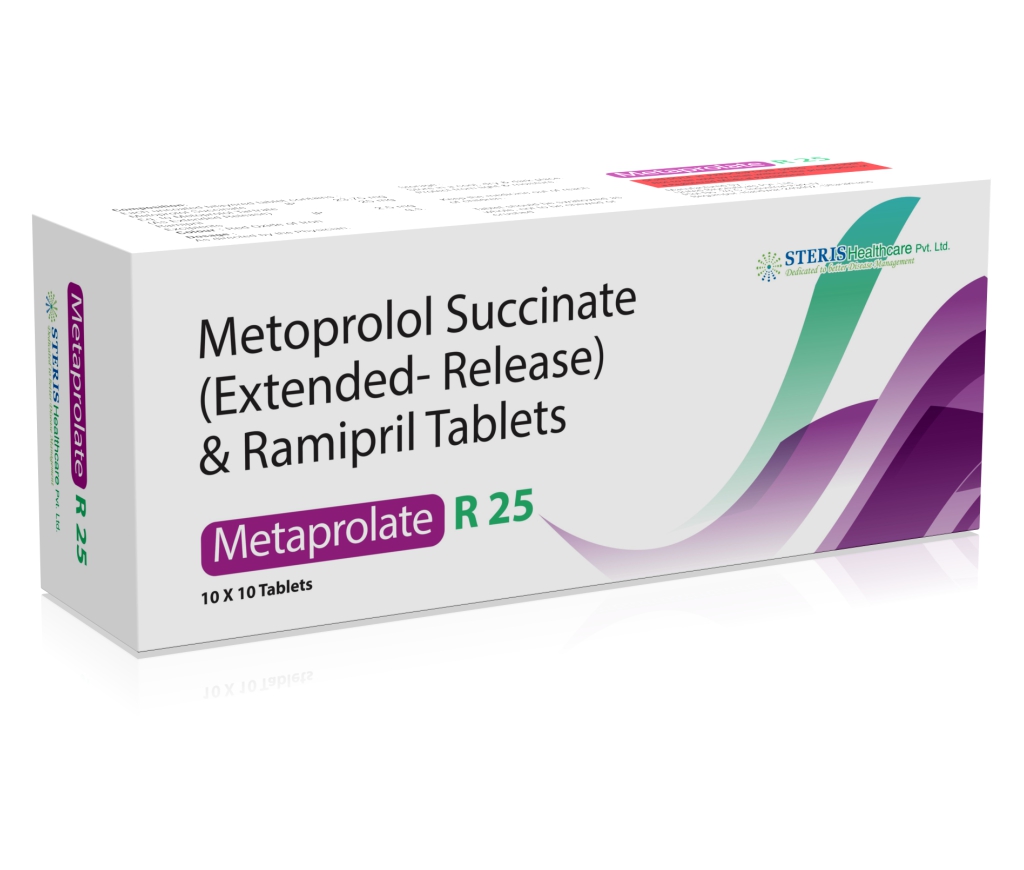
Ramipril IP 5 mg is an oral prescription medicine commonly used to treat high blood pressure and certain cardiovascular conditions. It belongs to the angiotensin-converting enzyme (ACE) inhibitor class. Ramipril works by reducing the production of angiotensin II, a substance that narrows blood vessels. This helps blood vessels relax, lowers blood pressure, and reduces the workload on the heart. Doctors may prescribe Ramipril 5 mg for hypertension, selected cases of heart failure, and certain patients following a heart attack. It may also be used to reduce cardiovascular risks in eligible patients. Depending on the individual's condition, ramipril may provide additional kidney-protective benefits, particularly in certain patients with diabetes or other risk factors. The appropriate dose depends on the diagnosis, blood pressure, kidney function, age, and other medicines being taken. Some patients may need a lower starting dose, gradual dose increases, or additional monitoring. Blood pressure measurements and blood tests for kidney function and potassium may be recommended during treatment.
कैसे उपयोग करें
Follow your prescribed dosage: Take only the amount recommended by your healthcare professional. Ramipril 5 mg may not be the appropriate starting dose for every patient. Take it regularly: Ramipril is often taken once or twice daily, depending on the prescription. Follow your doctor's instructions and maintain a consistent schedule. Swallow the tablet as directed: Take the tablet with water. Follow the product leaflet or ask your pharmacist if you have questions about taking it with food. Monitor your blood pressure: Check your readings as recommended by your doctor, particularly when starting treatment or adjusting your dose. Stand up slowly: Ramipril may cause dizziness or lightheadedness, especially after the first dose or a dose increase. Rise gradually from sitting or lying positions. Maintain appropriate hydration: Dehydration from vomiting, diarrhoea, or excessive sweating may increase the risk of low blood pressure and kidney problems. Contact your doctor if you cannot keep fluids down. Manage missed doses carefully: Take a missed dose when remembered unless it is nearly time for the next dose. Skip it when appropriate and never double the dose. Attend follow-up appointments: Your doctor may monitor kidney function, potassium levels, and blood pressure throughout treatment. Check for interactions: Tell your doctor about potassium supplements, potassium-containing salt substitutes, diuretics, NSAIDs such as ibuprofen, and other blood pressure medicines.