
Medicine information
उपयोग
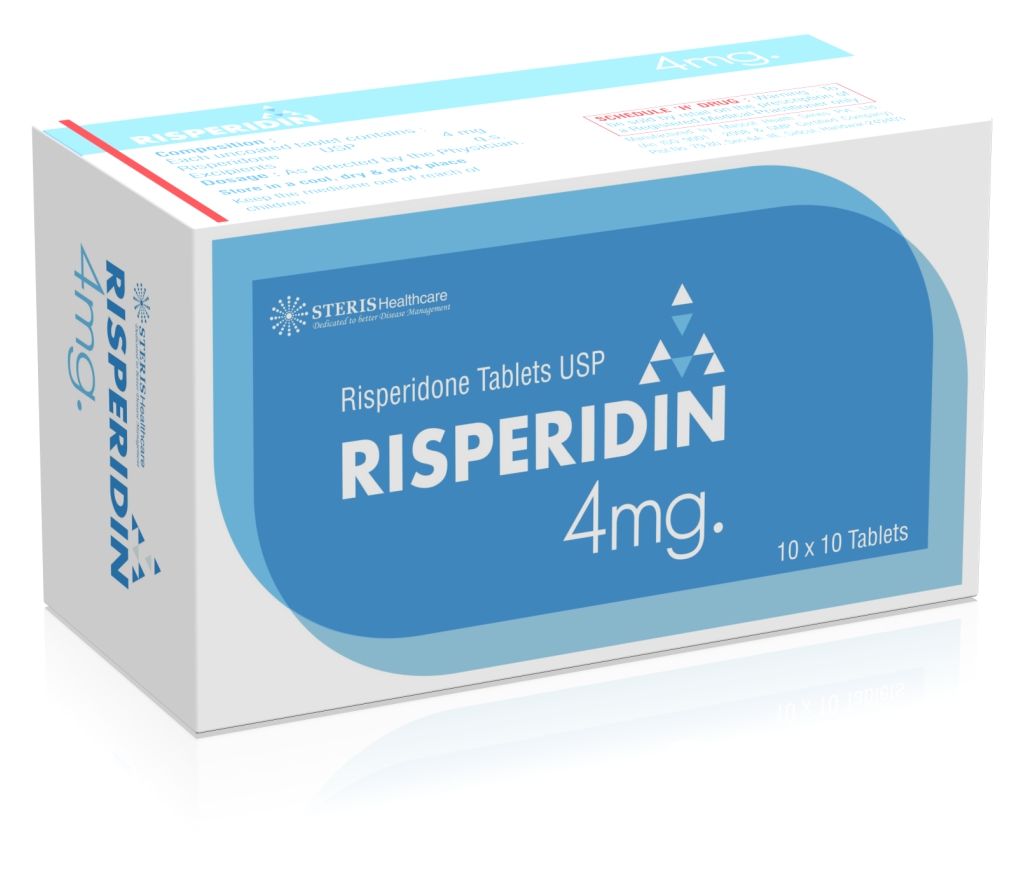
Risperidone 4 mg is an oral prescription medicine used to manage certain psychiatric conditions. It belongs to the atypical antipsychotic class and acts on chemical messengers in the brain, particularly dopamine and serotonin. By influencing these pathways, risperidone may help reduce symptoms such as hallucinations, delusions, disorganised thinking, and other disturbances associated with specific mental health conditions. Doctors may prescribe Risperidone 4 mg for schizophrenia and selected symptoms associated with bipolar disorder, depending on the patient’s diagnosis and applicable prescribing guidelines. The appropriate strength and dosage vary according to individual needs, treatment response, other medicines, and medical history. Risperidone is not a cure for these conditions, but it may help manage symptoms as part of a comprehensive treatment plan. Benefits and Important Precautions When prescribed appropriately, Risperidone 4 mg may help manage psychiatric symptoms and support daily functioning. Possible side effects include sleepiness, dizziness, increased appetite, weight gain, and movement-related symptoms. It may also increase prolactin levels and affect blood glucose, cholesterol, or blood pressure. Regular follow-up appointments help healthcare professionals assess the medicine’s benefits and monitor possible adverse effects. Inform your doctor about any existing medical conditions, including diabetes, heart disease, seizure disorders, kidney problems, or liver disease. Share a complete list of prescription medicines, over-the-counter products, and supplements because interactions may affect safety. Older adults with dementia-related psychosis have an increased risk of serious adverse outcomes with antipsychotic medicines; risperidone is not approved for this use in many jurisdictions.
कैसे उपयोग करें
Follow your prescription: Take Risperidone 4 mg exactly as directed by your doctor. This strength may not be appropriate for everyone, and the prescribed dose depends on your diagnosis, treatment history, and response. Maintain a consistent schedule: Take the medicine at the prescribed time each day. Standard risperidone tablets can generally be taken with or without food unless your product leaflet or doctor specifies otherwise. Take the tablet correctly: Swallow the tablet with water. If you have a liquid or orally disintegrating formulation, follow its specific administration instructions. Do not change the dose yourself: Do not increase, reduce, or stop Risperidone 4 mg without medical guidance. Sudden discontinuation may cause symptoms to return or other problems. Manage missed doses safely: Take a missed dose when remembered unless it is nearly time for the next dose. If it is nearly time, skip the missed dose and resume your usual schedule. Never double the dose. Discuss other medicines: Tell your doctor about all prescription medicines, over-the-counter products, and supplements you take, especially medicines that cause drowsiness or affect heart rhythm. Attend regular check-ups: Your healthcare professional may monitor symptom improvement, weight, blood glucose, cholesterol, blood pressure, and movement-related side effects during treatment. Use caution during daily activities: Avoid alcohol and stand up slowly if you experience dizziness. Do not drive or operate machinery until you know how the medicine affects you. Store it safely: Keep Risperidone 4 mg in its original packaging, away from excess heat and moisture, and out of children’s reach. Follow the storage directions on the product label.