
Medicine information
उपयोग
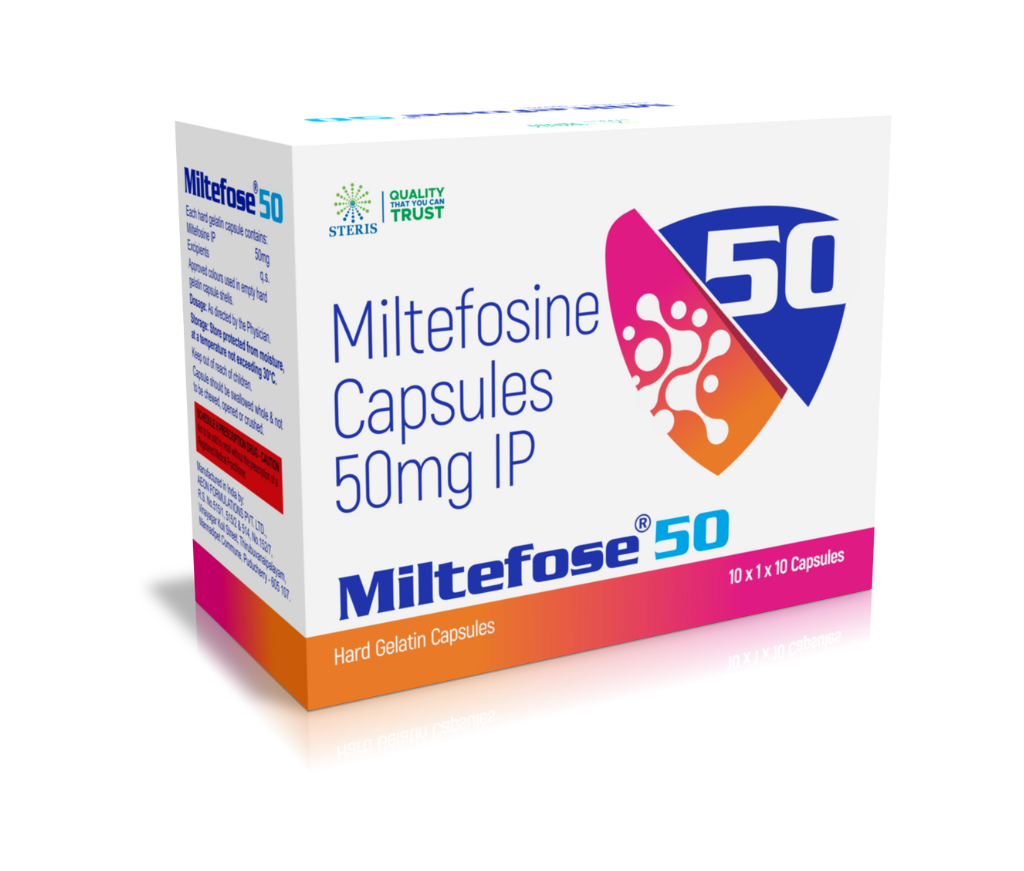
Miltefosine 50 mg – Uses, Benefits and Purchasing Information Miltefosine 50 mg is an oral antiparasitic medicine used for certain parasitic diseases, particularly leishmaniasis caused by susceptible Leishmania parasites. Depending on local regulatory approval and clinical guidance, miltefosine may be prescribed for specific forms of leishmaniasis, including visceral leishmaniasis (kala-azar). Its action interferes with important cellular processes in susceptible parasites, helping treat the infection when the medicine is used according to an appropriate medical regimen. Miltefosine treatment requires professional diagnosis and supervision because the correct dose and duration depend on the type of infection, body weight, age, kidney and liver function, pregnancy status, and other individual factors. The medicine can cause gastrointestinal adverse effects and may require clinical or laboratory monitoring. It also carries important reproductive safety precautions, particularly because of the risk of harm to an unborn baby.
कैसे उपयोग करें
Follow the prescribed dose: The dose and treatment duration depend on the type of leishmaniasis, body weight, age, geographical region, and the treatment regimen selected by your clinician. Do not determine your dose from online information alone. Take with food: Swallow the capsule with water during or immediately after a meal, as directed in the product information. Taking it with food may help reduce gastrointestinal side effects. Complete the prescribed course: Continue treatment for the full duration recommended by your clinician, even if symptoms or skin lesions begin to improve. Do not stop, extend, or change treatment without medical advice. Manage a missed dose carefully: Follow the instructions provided with your prescription or contact your pharmacist or doctor. Do not take extra capsules to compensate for a missed dose. Maintain adequate hydration: Nausea, vomiting, and diarrhoea can occur during treatment. Drink adequate fluids as advised by your healthcare professional and seek medical attention if you cannot keep fluids down or develop signs of dehydration. Attend monitoring appointments: Your doctor may request kidney function tests, liver function tests, and other blood tests during treatment and after completion. Report serious symptoms: Seek urgent medical attention for severe or persistent vomiting or diarrhoea, reduced urination, yellowing of the skin or eyes, or a blistering or peeling rash. Follow reproductive precautions: Pregnancy must be ruled out before treatment in women who can become pregnant. Effective contraception is required during treatment and for the specified period afterward.