
Medicine information
उपयोग
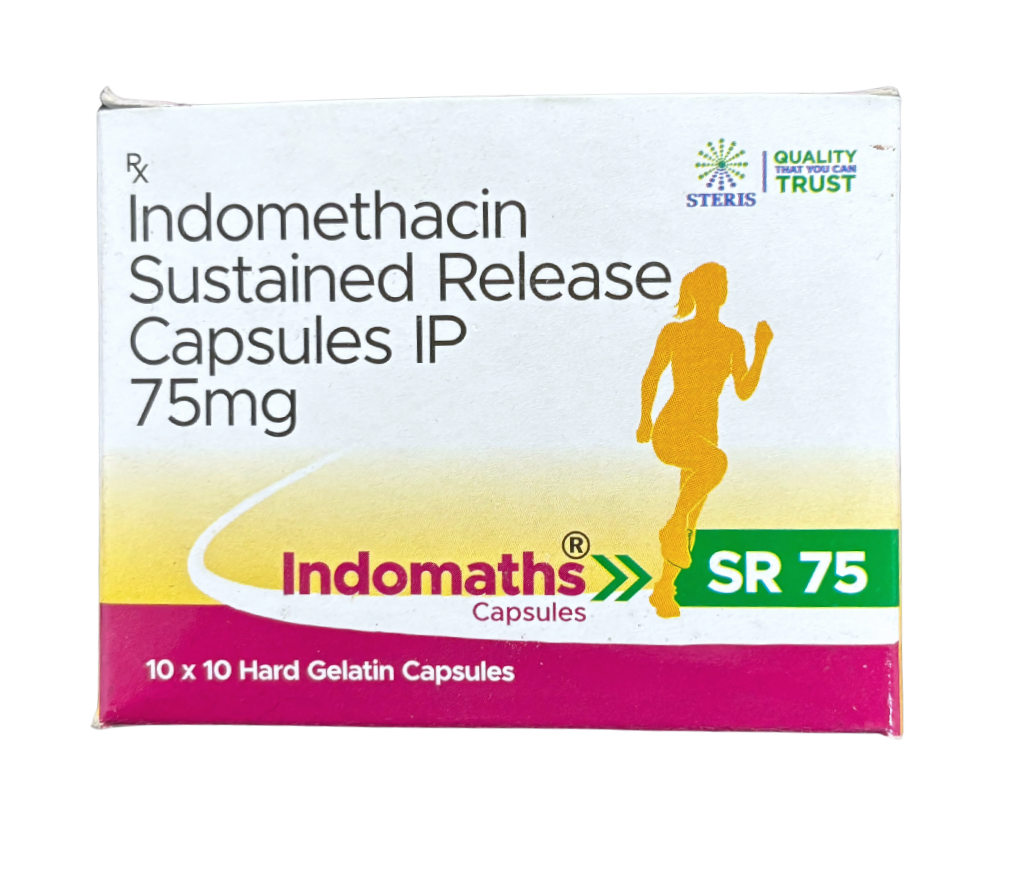
Indomethacin (75mg) contains indomethacin, a potent NSAID that helps reduce inflammation and relieve associated pain and stiffness. It may be prescribed for inflammatory conditions such as rheumatoid arthritis, osteoarthritis, ankylosing spondylitis, and other painful musculoskeletal disorders. Depending on the specific formulation and clinical situation, indomethacin may also be prescribed for certain acute inflammatory conditions such as gout. Indomethacin works primarily by inhibiting cyclooxygenase enzymes involved in prostaglandin production. Prostaglandins are chemical mediators that contribute to pain, inflammation, and swelling. By reducing their production, indomethacin can provide symptomatic relief and may help improve mobility in appropriate patients. The 75mg strength may be supplied in different formulations, including immediate-release or modified-release preparations. Therefore, patients should follow the instructions on their specific product rather than assuming that every 75mg formulation is taken in the same way. Modified- or sustained-release formulations should generally be swallowed whole and should not be crushed or chewed. Indomethacin can cause gastrointestinal side effects such as indigestion, nausea, stomach discomfort, ulcers, and gastrointestinal bleeding. It may also affect kidney function, cause fluid retention, increase blood pressure, or increase cardiovascular risk in susceptible individuals. Before starting treatment, inform your doctor about stomach ulcers, gastrointestinal bleeding, kidney or liver disease, heart disease, high blood pressure, asthma triggered by NSAIDs, or previous allergic reactions to aspirin or other NSAIDs.
कैसे उपयोग करें
Take Indomethacin (75mg) exactly according to the dose and duration prescribed by your doctor. The correct administration method depends on the formulation. Check whether your product is immediate-release, sustained-release, or another modified-release preparation. Swallow the tablet or capsule with sufficient water. If it is a modified- or sustained-release formulation, do not crush, chew, or split it unless your healthcare professional specifically instructs you to do so. Taking indomethacin with food or immediately after a meal may help reduce stomach irritation. Follow your doctor's specific instructions. Take the medicine at approximately the same time each day if regular treatment has been prescribed. Do not increase the dose yourself if your pain does not improve. Higher doses can substantially increase the risk of serious NSAID-related complications. Avoid taking additional NSAIDs such as ibuprofen, diclofenac, naproxen, or aspirin for pain unless your doctor specifically recommends them. Inform your healthcare professional about blood thinners, corticosteroids, diuretics, blood-pressure medicines, lithium, methotrexate, or other medicines you regularly take. If you forget a dose, take it when you remember unless it is nearly time for your next scheduled dose. Do not take a double dose to compensate. Maintain adequate fluid intake unless your doctor has advised you to restrict fluids. Seek urgent medical attention if you experience severe abdominal pain, black stools, vomiting blood, chest pain, difficulty breathing, facial swelling, or a serious skin reaction. Long-term treatment may require monitoring of blood pressure, kidney function, gastrointestinal symptoms, and other individual risk factors. Tell your doctor if pain, swelling, or stiffness continues despite treatment or becomes progressively worse. Do not use Indomethacin (75mg) for longer than prescribed because prolonged NSAID exposure can increase the risk of stomach, kidney, cardiovascular, and other complications.