
Medicine information
उपयोग
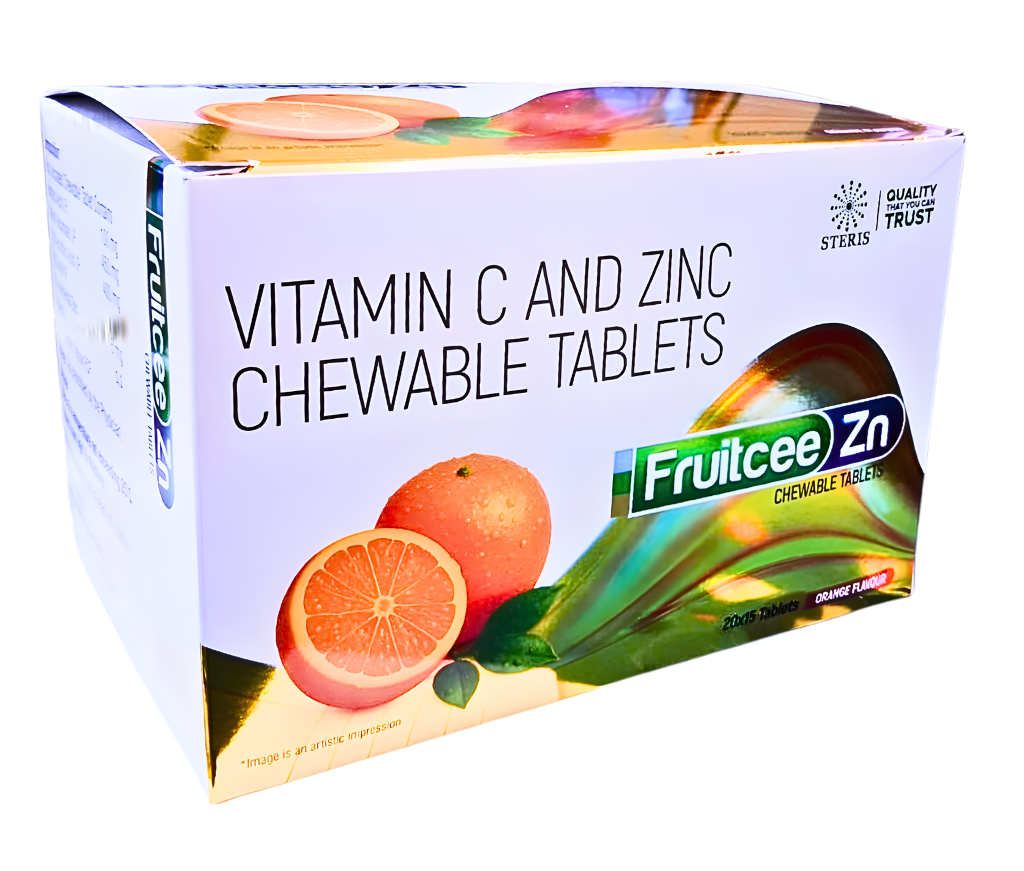
Vitamin C and Zinc Chewable Tablets are nutritional supplements that combine two essential nutrients to help meet daily dietary requirements and support normal body functions. These nutrients play complementary roles in immune health, cellular protection, and tissue maintenance. The precise nutritional value and recommended serving depend on the amounts of vitamin C and zinc contained in the specific product. Vitamin C is a water-soluble vitamin with antioxidant properties. It helps protect cells from oxidative stress, supports normal immune system function, contributes to collagen formation, and improves the absorption of non-haem iron from plant-based foods. Zinc is an essential mineral involved in numerous biological processes, including normal immune function, protein synthesis, cell division, and wound healing. Adequate zinc intake is important for maintaining normal physiological functions. The chewable tablet format provides a convenient alternative to conventional tablets for people who prefer a chewable supplement. This combination may be useful when dietary intake of vitamin C or zinc is insufficient or when supplementation is recommended by a healthcare professional. However, it does not guarantee protection against infections or replace a balanced diet and appropriate medical treatment. Possible side effects include nausea, stomach discomfort, diarrhoea, and a metallic taste. Excessive or prolonged zinc intake may interfere with copper absorption, while high vitamin C intake may increase the risk of certain kidney stones in susceptible individuals.
कैसे उपयोग करें
Check the product label: Verify the amounts of vitamin C and elemental zinc per tablet. Different brands may contain different strengths, flavours, sweeteners, and additional ingredients. Follow the recommended serving: Take only the amount specified on the packaging or recommended by your healthcare professional. Do not take extra tablets to achieve faster results. Chew the tablet thoroughly: Chew the tablet completely before swallowing. Do not swallow it whole unless the product instructions specifically permit this. Follow the recommended timing: Take the supplement at the time indicated on the label. If zinc causes nausea or stomach discomfort, ask your pharmacist whether taking it with food is appropriate. Maintain a balanced diet: Include fruits, vegetables, whole grains, nuts, seeds, and other nutrient-rich foods in your daily meals. Supplements should complement your diet rather than replace nutritious foods. Avoid duplicate supplements: Check multivitamins, immunity supplements, and other nutritional products for vitamin C and zinc to prevent excessive total intake. Review medicine interactions: Zinc can interfere with the absorption of certain antibiotics and penicillamine. Ask your doctor or pharmacist about appropriate spacing if you take these medicines. Discuss medical conditions: Consult your healthcare professional before use if you have kidney disease, a history of kidney stones, or a condition requiring restricted mineral intake. Monitor for side effects: Stop taking the supplement and seek medical advice if you experience persistent nausea, vomiting, abdominal discomfort, or an allergic reaction. Store the product safely: Keep tablets in their original packaging, away from heat and moisture, and out of children's reach. Follow the manufacturer's storage instructions and expiry date. Seek advice about prolonged use: Long-term high-dose zinc supplementation may cause copper deficiency. Ask your healthcare professional whether the dose and duration are suitable for your individual nutritional needs.