
Medicine information
उपयोग
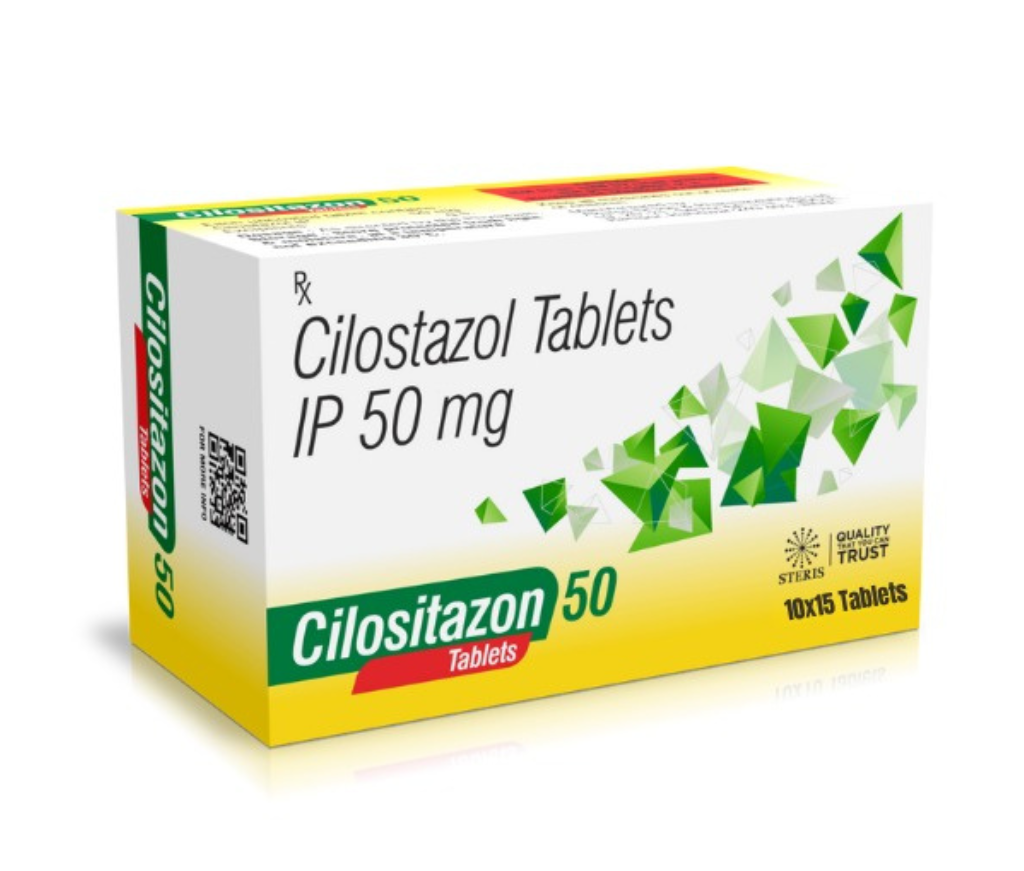
Cilostazol 50 mg Tablet is a prescription medicine used to help improve walking distance in adults experiencing intermittent claudication associated with peripheral arterial disease (PAD). This condition occurs when narrowed arteries restrict blood flow to the legs, causing symptoms such as pain, cramping, or tiredness during walking. Symptoms may ease with rest but return during physical activity. Cilostazol belongs to the phosphodiesterase III inhibitor class. It increases cyclic adenosine monophosphate (cAMP) levels in platelets and blood vessels, helping reduce platelet aggregation and promote vasodilation. These effects may improve blood flow and walking ability in appropriately selected patients. The 50 mg strength may be prescribed when clinically appropriate, including in certain patients who require a reduced dose because of interacting medicines. The correct dose depends on the individual prescription and product information. Common side effects include headache, diarrhoea, dizziness, palpitations, and abnormal stools. Cilostazol can increase heart rate and may be unsuitable for some patients with cardiovascular conditions. It is contraindicated in patients with heart failure of any severity. Tell your doctor about bleeding disorders, kidney or liver disease, and all medicines you take, particularly antibiotics, antifungals, and other drugs that may interact with cilostazol.
कैसे उपयोग करें
1. Take only as prescribed: Use Cilostazol 50 mg Tablet under the supervision of a qualified healthcare professional. Your prescribed dose depends on your condition, other medicines, and medical history. 2. Follow the recommended schedule: Cilostazol is commonly prescribed twice daily, but the exact dose and frequency must follow your doctor's instructions. 3. Observe food-related instructions: Cilostazol is generally taken at least 30 minutes before or two hours after breakfast and dinner. Follow the instructions provided with your specific product. 4. Swallow with water: Take the tablet as directed. Do not increase, reduce, or change the frequency without consulting your doctor. 5. Manage missed doses safely: If you forget a dose, follow your doctor's or pharmacist's advice. Never take a double dose to compensate for a missed tablet. 6. Check medicine interactions: Inform your doctor about all prescription medicines, supplements, and over-the-counter products, especially certain antibiotics and antifungal medicines. 7. Attend follow-up appointments: Your healthcare professional may assess walking ability, symptom improvement, heart rate, blood pressure, and side effects. 8. Follow lifestyle recommendations: Continue any prescribed exercise programme and follow advice on smoking cessation and cardiovascular risk management.