
Medicine information
उपयोग
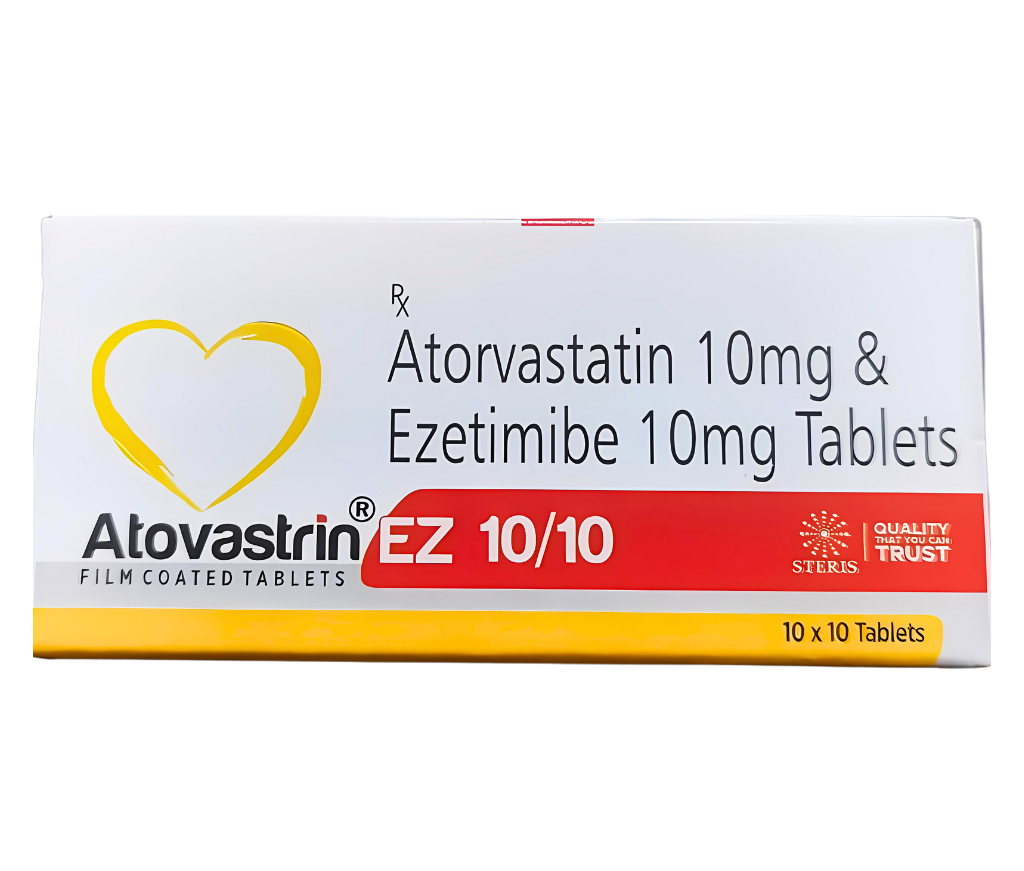
Atorvastatin 10 mg and Ezetimibe IP 10 mg is a prescription medicine combination used to lower elevated cholesterol levels in patients who require additional lipid management. It contains two active ingredients that work through different mechanisms to support effective cholesterol control and cardiovascular health. Atorvastatin is a statin that inhibits the HMG-CoA reductase enzyme, reducing cholesterol production in the liver. Ezetimibe works by limiting cholesterol absorption in the small intestine. Together, these medicines help lower LDL (bad) cholesterol and may improve the overall lipid profile. Healthcare professionals may prescribe this combination for patients with high cholesterol when dietary changes alone or other treatment options do not provide sufficient control. The suitability of treatment depends on individual cholesterol levels, cardiovascular risk, medical history, and response to therapy.
कैसे उपयोग करें
1. Follow your doctor's prescription: Take the medicine exactly as prescribed. Your healthcare professional will determine whether this combination is appropriate based on your cholesterol levels, cardiovascular risk, medical history, and response to treatment. 2. Take it regularly: This combination is commonly prescribed once daily. Take it at a consistent time each day according to your prescription to help maintain a regular treatment routine. 3. Swallow with water: Swallow the tablet with water. Follow the product leaflet, and do not crush, chew, or split the tablet unless your pharmacist confirms that doing so is appropriate. 4. Follow food instructions: Atorvastatin and ezetimibe can generally be taken with or without food. Check the instructions provided with your specific product. 5. Manage missed doses carefully: If you forget a dose, consult the patient leaflet or ask your pharmacist for advice. Do not take a double dose to compensate for a missed tablet. 6. Maintain a healthy lifestyle: Follow your doctor's recommendations for a balanced diet, regular physical activity, and weight management. These lifestyle measures complement cholesterol-lowering treatment. 7. Check for medicine interactions: Tell your doctor about prescription medicines, supplements, and herbal products. Certain antibiotics, antifungals, and other cholesterol-lowering medicines may interact with atorvastatin or require additional precautions. 8. Watch for side effects: Muscle pain, weakness, and digestive discomfort may occur. Seek prompt medical attention for unexplained severe muscle pain, marked weakness, dark urine, or yellowing of the skin or eyes. 9. Attend regular check-ups: Your doctor may monitor cholesterol levels, liver function, and muscle-related symptoms to evaluate treatment effectiveness and safety. 10. Continue treatment as directed: High cholesterol often causes no noticeable symptoms. Do not stop taking the medicine simply because you feel well; consult your doctor before making treatment changes.